
Review disclosure: VERO invited me to Ottawa to try its systems at Marc-André’s studio. This article covers that short-term visit, with around a full day of driving during the weekend, rather than a long-term ownership test. VERO also provided the viewer discount code shown below.
A quick motion-rig demo at an expo can leave a strong impression, but it rarely gives me enough time to understand the setup. After trying VERO at the Sim Gaming Expo in Chicago, I visited Ottawa for more time with the Champion and Legend systems. The Legend GTR was the rig I drove most, and its combination of motion cues changed how I felt about traction loss in a simulator.
My verdict at a glance
Best suited to: Sim racers exploring motion who want to understand the difference between Champion’s core movement and Legend’s additional cues.
What stood out: Convincing traction-loss and surge effects, well-tuned SimHub profiles and a neatly presented platform.
What to consider: The complete configuration and footprint, time spent tuning, and the limits of a short-term studio test.
What I tested in Ottawa
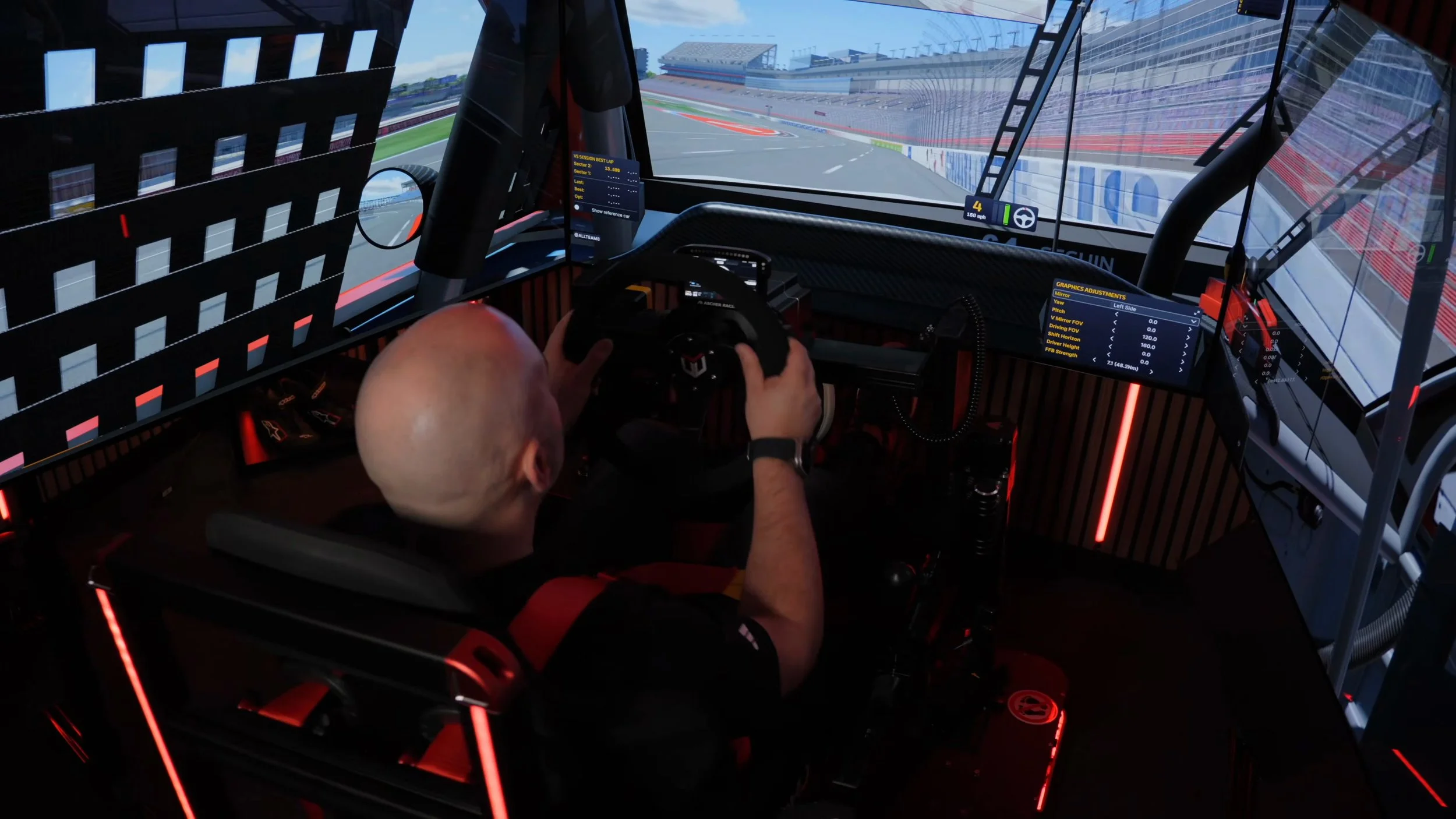
Marc-André invited me to spend a weekend at his personal studio after our first meeting in Chicago. I had substantially more seat time there than at the show, running different cars and tracks and discussing the settings with him.
I tried the Champion 3DOF system and the Legend range, spending most of my time on the Legend GTR. The studio environment let me compare their different characters and understand how the motion was being configured.
That access was valuable, but it was still a short-term experience with systems already set up by VERO. I did not install one from scratch at home for this review, and I cannot use the visit to judge years of reliability or the everyday ownership experience.
Champion and Legend: what changes?
The Champion supplies the core movements of pitch, roll and heave: the rig tilting forwards and backwards, leaning from side to side, and moving vertically. In my original review, I saw it as the more compact starting point for someone adding motion to a home cockpit.
The Legend configuration adds a platform with surge and traction-loss movement. The combination gives additional cues during acceleration, braking and changes in grip. Those extra movements were the biggest difference I noticed when switching between the systems.
The Legend GTR I spent the most time in used the six-inch-travel configuration. The amount of movement made a strong impression, but bigger travel is not automatically better for every car or every driver. I felt the shorter-travel options could provide plenty for GT-style road racing, while more travel had obvious appeal for bigger movements and elevation changes.
VERO’s approach in the original review combined PT Actuator hardware with its own setup, profiles and support. My impressions describe the complete system I tried, including that tuning, rather than an isolated comparison of actuators.
Why the SimHub profiles mattered
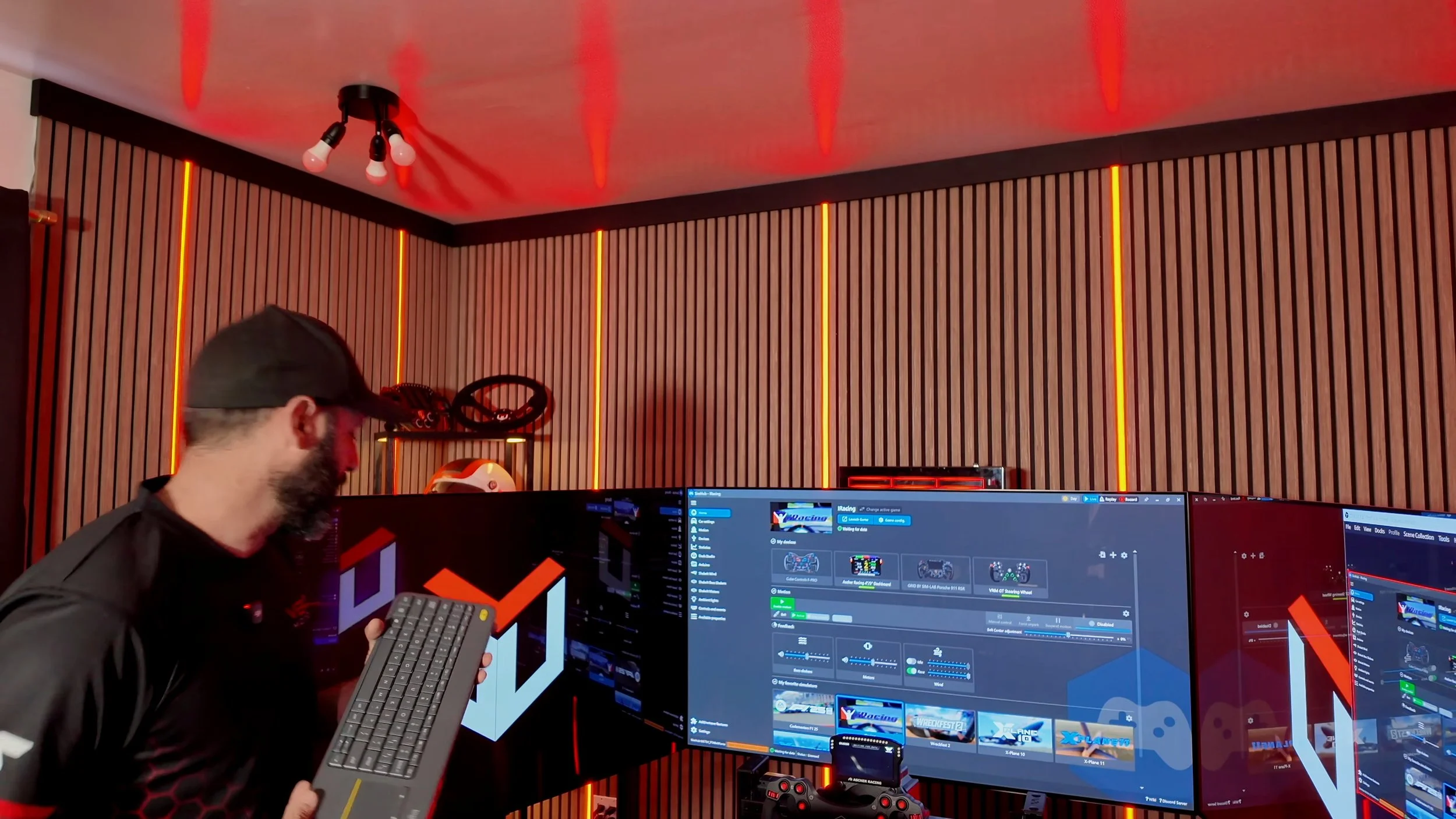
The software was a major part of what made these rigs convincing. VERO used SimHub’s motion plugin to translate the sim’s telemetry into movement, with profiles tailored to different types of cars.
I found the supplied profiles natural and well balanced. That mattered because an exaggerated expo setup can leave me thinking more about the movement than the car. With a suitable profile, the separate effects began to feel connected.
Marc-André walked me through the settings during the visit. The original video includes that longer SimHub walkthrough, which is useful if you want to see the software discussion rather than just read my impressions.
I liked having the option to adjust the motion to my preferences. I would start with a profile suited to the car and learn what each adjustment changes. The goal for me is a coherent set of cues, not simply using all the travel on every lap.
Driving the Legend GTR
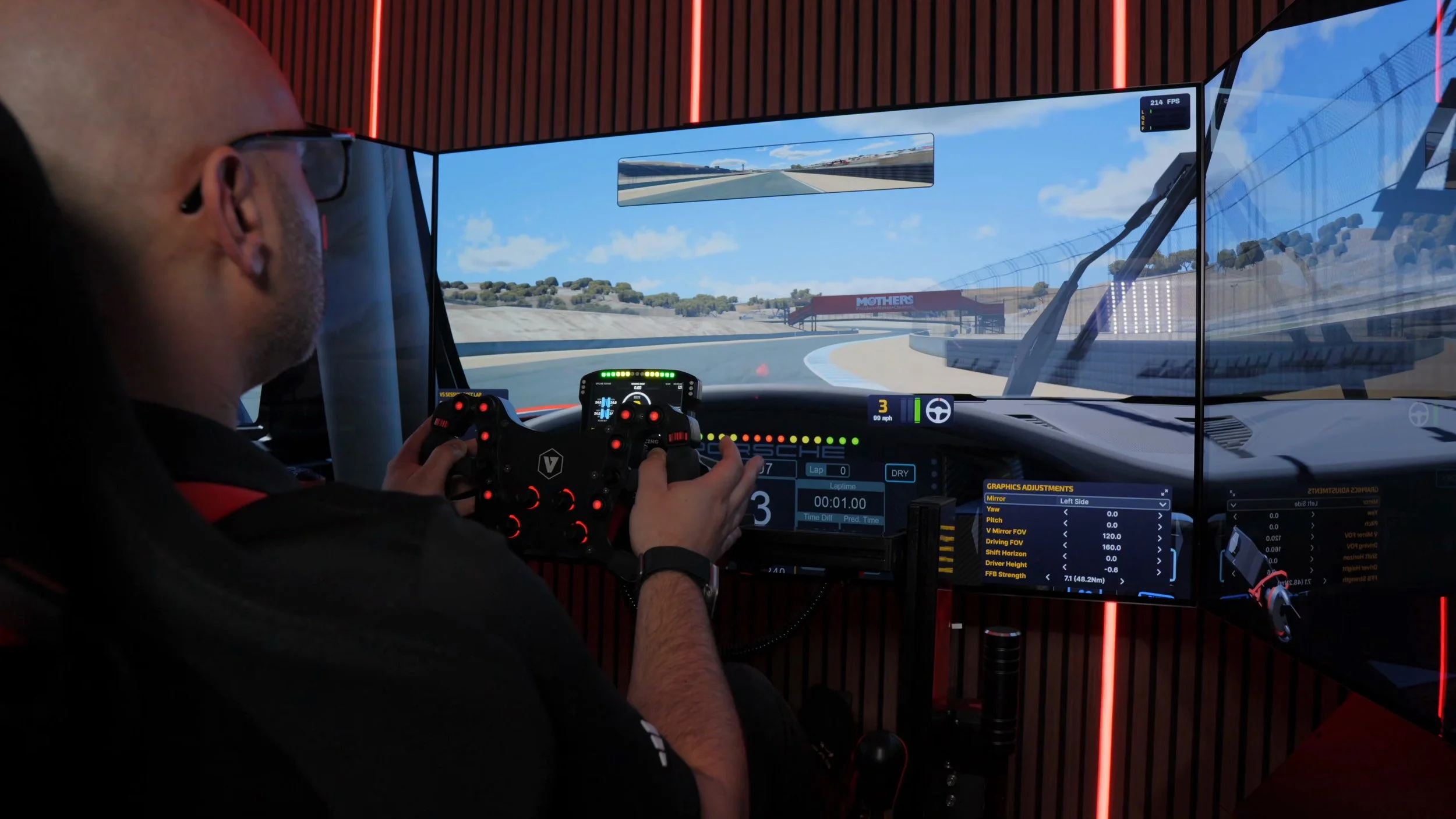
The first few laps felt intense. There was a lot of feedback to take in, especially after being used to a simpler motion setup. After settling into it, the movement began to feel more natural and connected to what I was doing in the sim.
Pitch, roll and elevation changes were clear. I particularly enjoyed the way the rig communicated banking on ovals and the feeling of working through a corner in high-downforce, open-wheel cars.
Traction loss was the surprise. I had tried other systems where that effect felt artificial to me, but on this configuration it made sense. I felt more aware of the car beginning to slide and more confident responding to those cues.
That is a subjective impression from the visit. I did not run a controlled test showing faster lap times or a measured improvement in catching slides. What I can say is that I found the information useful and the experience engaging.
Surge was another highlight. The forward and backward movement, combined with pitch, made braking and acceleration feel more convincing to me. These are motion cues within a simulator’s limited travel, rather than sustained forces equivalent to a real car.
Returning to Champion
After the full Legend setup, moving back to Champion was an adjustment. I missed the extra traction-loss and surge effects, but the underlying experience was still enjoyable.
The core movements gave the car a physical presence that a static rig does not have. For someone who has never used motion, I would not dismiss that experience just because the more elaborate platform adds another layer.
Both systems also produced haptic effects for things such as road texture, gear shifts, rumble strips and engine vibration. I found them convincing, although the haptics on the Qubic QS-210 I was using at home felt stronger to me.
That was a personal comparison across the setups I had experienced, not a standardized measurement of haptic output. My later Qubic System QS-210 review covers the time I spent with that system on my own rig.
The platform and the space around it
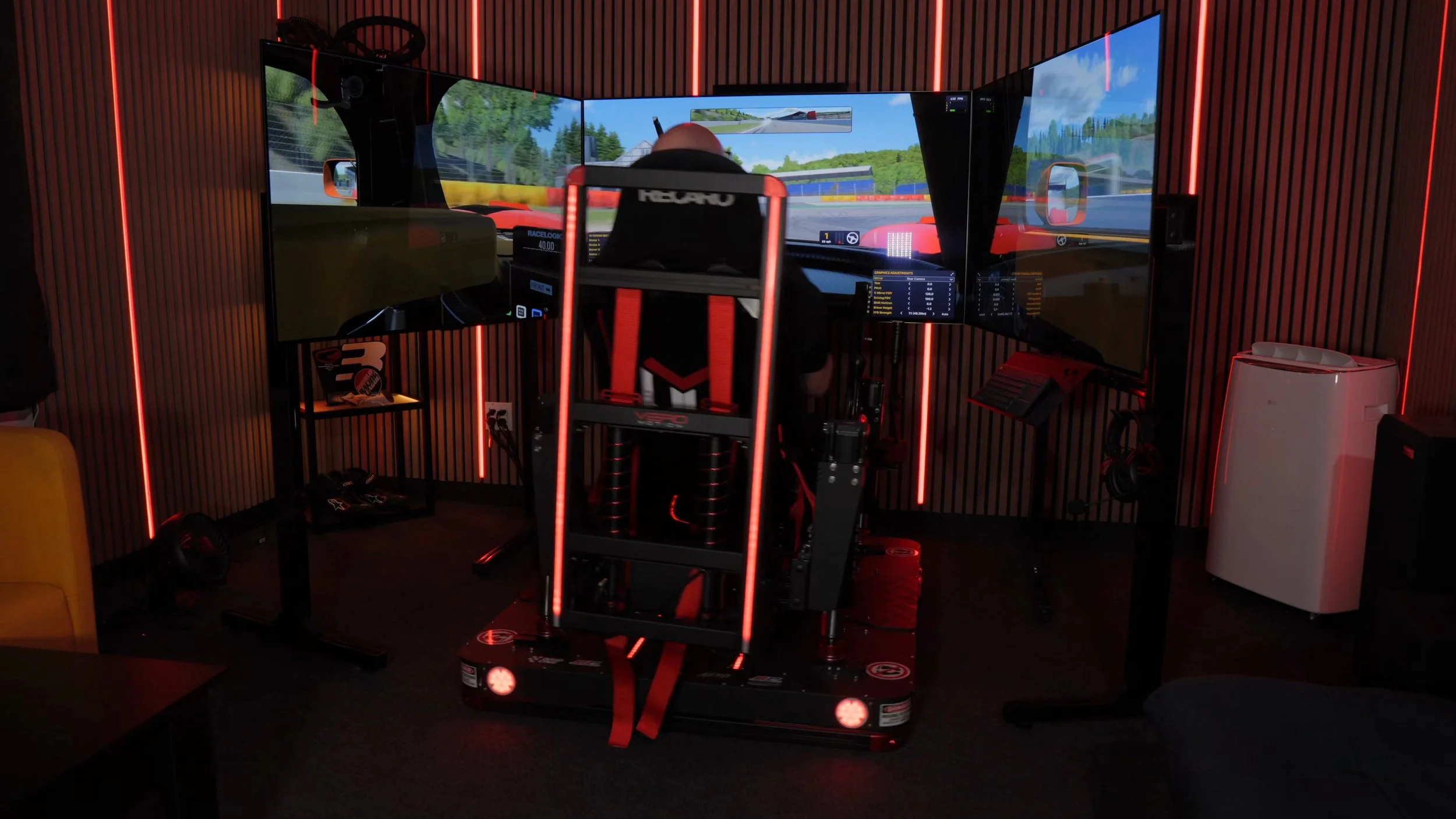
I liked the way VERO finished the Legend platform. The enclosed frame gave it a more complete appearance than a collection of exposed parts, and it made stepping into the rig convenient. The lighting added to the presentation, although it was mostly cosmetic in the setup I tried.
The studio rig used large 55-inch displays. They helped create a surrounding view, but they also made the installation wider. You do not need screens that large to enjoy motion; the triple 32-inch screens on my own rig worked well for me.
The complete footprint is what I would plan around: platform, cockpit, monitors and the room needed for movement and access. Measure your available space against the exact configuration rather than judging its size from a video.
VERO showed a controller arrangement housed in one exterior box, with the internal configuration depending on the system. I appreciated the tidy presentation, but my visit did not test every step of delivery, assembly and installation in a typical home.
Reliability and the prototype belt system
The systems ran throughout my visit without a fault that I observed. I did not notice unusual noises, signs of strain or overheating during that day. That was encouraging, but it does not establish long-term reliability or support quality.
The Legend rig also had a belt-tensioning system that was still in development. VERO let me try it, and I found the combination with the platform promising. The response felt quick and the physical effect was strong.
I reserved a full verdict because it was a prototype. VERO now lists Rival belt-tensioner products on its website, but the prototype experience described here should not be read as a review of the finished retail versions.
Pricing and choosing a configuration
My October 2025 video discussed the Champion range from roughly US$5,500 to US$9,500, depending on the version, and a broader set of systems reaching around US$18,000. Those were the figures behind my original value impressions. They are not a current quotation.
The product range and how packages are presented have changed. The current Legend listing is labelled as an add-on and explicitly says it requires a Champion system. Confirm exactly what is included in any quote rather than comparing an add-on price with a complete system.
I would ask VERO to specify the actuator version, platform, controllers, mounting hardware, software requirements, installation support and total delivered cost for the rig you want. Its Champion GT listing is another useful starting point for the current range.
I came away seeing strong appeal in VERO’s original price positioning. That is different from declaring it the cheapest or best-value motion system available today. The right choice also depends on the type of motion you prefer, the room you have and the support you want.
My final verdict
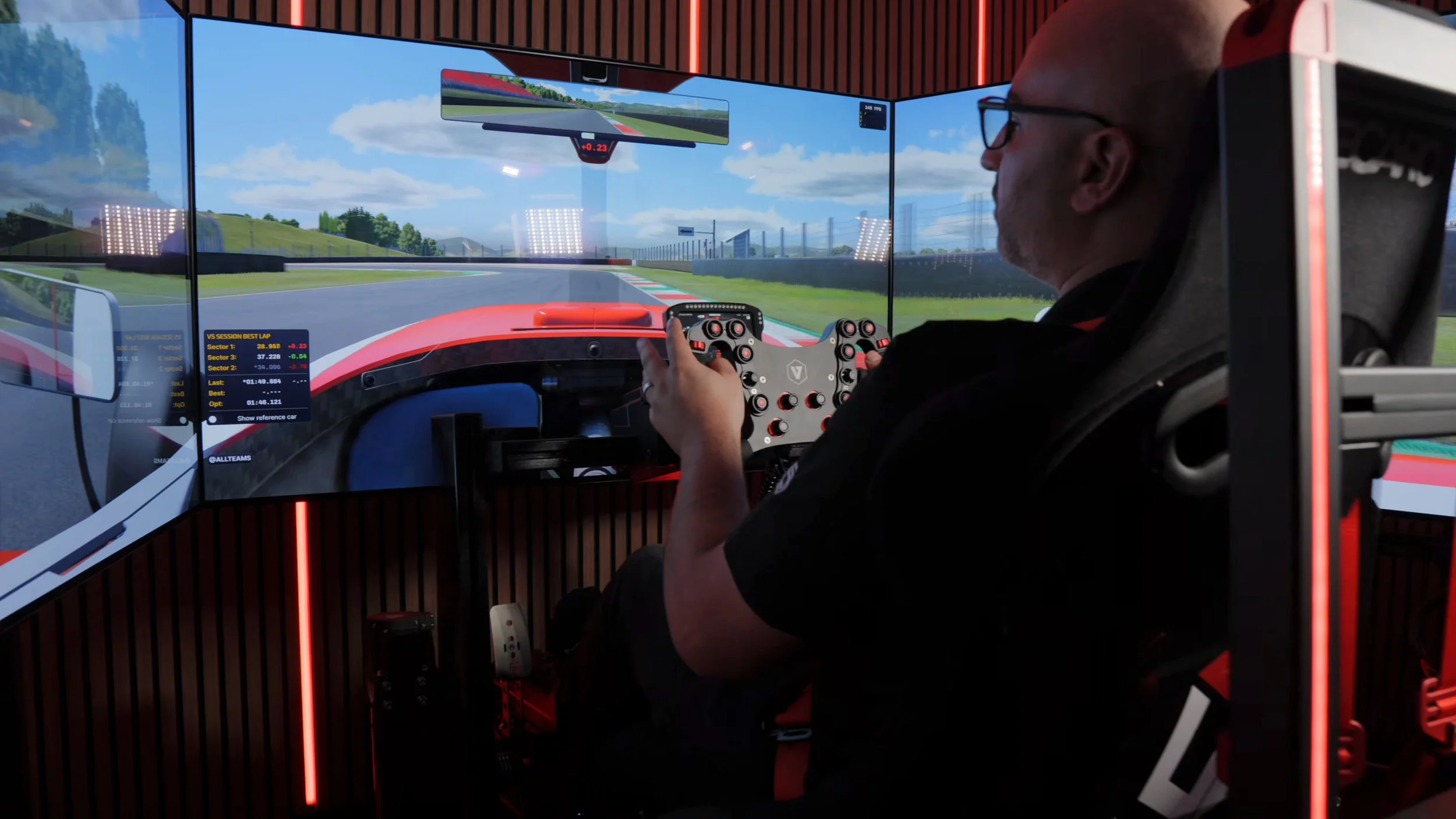
The Ottawa visit left me impressed. The Legend GTR’s traction-loss and surge cues were the most memorable part, and the SimHub profiles helped the system feel connected rather than exaggerated.
Champion still made a convincing case as a simpler way into motion. I missed the extra effects when switching back, but I enjoyed the core experience and could see why it would suit many home rigs.
I would try a system like this in person if possible and spend enough time to get past the initial excitement. Motion preference is personal, and the profile can change the experience substantially.
Based on this short-term visit, VERO earned a place on my list of systems worth considering. I enjoyed the driving, appreciated the finished presentation and came away wanting more time with the hardware. Long-term ownership and support remain separate questions from what I could establish during that weekend.
Save 5% with code SRD5.
Explore the current systems and discuss the right configuration for your rig with VERO.
DISCOUNT CODESRD5VERO provided this viewer discount code. It is also listed on my Discounts page.
Confirm eligibility, exclusions and the final discount with VERO or at checkout. Check the complete system specification, required parts, shipping and taxes before ordering.
About this article: Adapted from my original review script and video review. Driving impressions refer to the original review period. The current VERO range and my Discounts page were checked on September 8, 2026. This article preserves the scope of my 2025 studio visit.
Back to top ↑