
Review disclosure: Sim-Lab supplied the XP1 pedals for review. This article reflects my original December 2024 testing, rather than a new test of the current version. The product link is an affiliate link and may earn me a commission at no extra cost to you.
Sim-Lab was best known to me for cockpits and accessories, so I was curious about its first pedal set. The XP1’s aluminum construction and adjustment range looked promising, but the real test was how naturally I could brake and feed in the throttle. After a month of use, the smooth movement and precise control mattered more to me than the load-cell number on the box.
My verdict at a glance
Best suited to: PC sim racers looking for precise, adjustable passive pedals for a rigid cockpit.
What stood out: Smooth, quiet movement, excellent braking control and several adjustments that did not require tools.
What to consider: No included baseplate or heel rest, my preference for larger pedal faces, and the fragile plastic mounting tabs on the control box.
The price in my original review
In December 2024, I quoted US$499 for the throttle-and-brake set, US$649 for three pedals and US$219 for a clutch bought separately. Those are historical review prices; use the product link below for the current configuration and delivered cost.
The XP1 sat in the mid-range pedal market, alongside alternatives I had considered from Heusinkveld, Asetek and MOZA. Its premium feel made that positioning interesting.
I chose the optional black conversion kit because it suited my rig better than the standard blue accents. A foot rest and a pedal-slider baseplate were additional accessories. Neither a heel rest nor a baseplate came with the set I reviewed, so the complete installation cost depended on what the cockpit already provided.
Aluminum construction and comfortable pedal faces
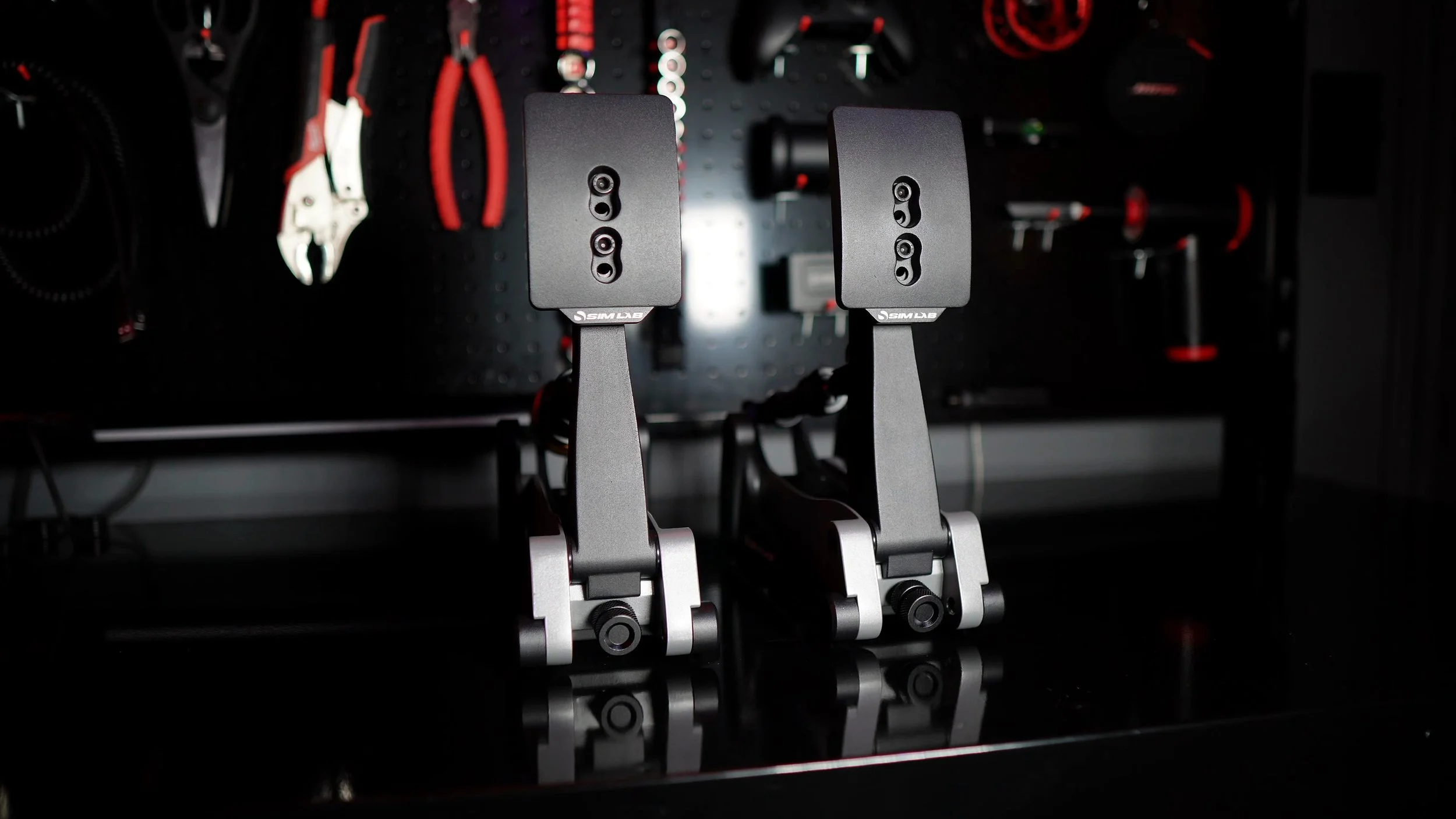
The pedals arrived securely packed with a control box, cables, mounting hardware, springs and elastomers. The CNC-machined aluminum construction felt sturdy without unnecessary bulk, and I liked the curved shapes and tidy cable routing.
These were among my favourite-looking pedal sets at the time. More importantly, they felt well made in the places I touched and adjusted.
I wanted the option of a longer throttle face and a larger brake face. That was a preference rather than a comfort problem: the supplied faces remained comfortable, including when I drove in socks. Optional face sizes would simply have made an already adjustable set easier to tailor to my taste.
What the load-cell specification means
The XP1’s advertised 200 kg load cell corresponds to up to 100 kg of force at the pedal, rather than 200 kg under your foot. My brake input felt precise and easy to control, which was more relevant in practice than the headline capacity.
The throttle uses a contactless Hall-effect sensor. During my test, its travel felt smooth and responsive. I did not experience friction or noise issues with either pedal across the month.
I saw no concerning flex under the braking force I used. That observation applies to my installation and testing; it is not a destructive load test or a long-term durability claim.
Mounting on my ASR Pro Gen2
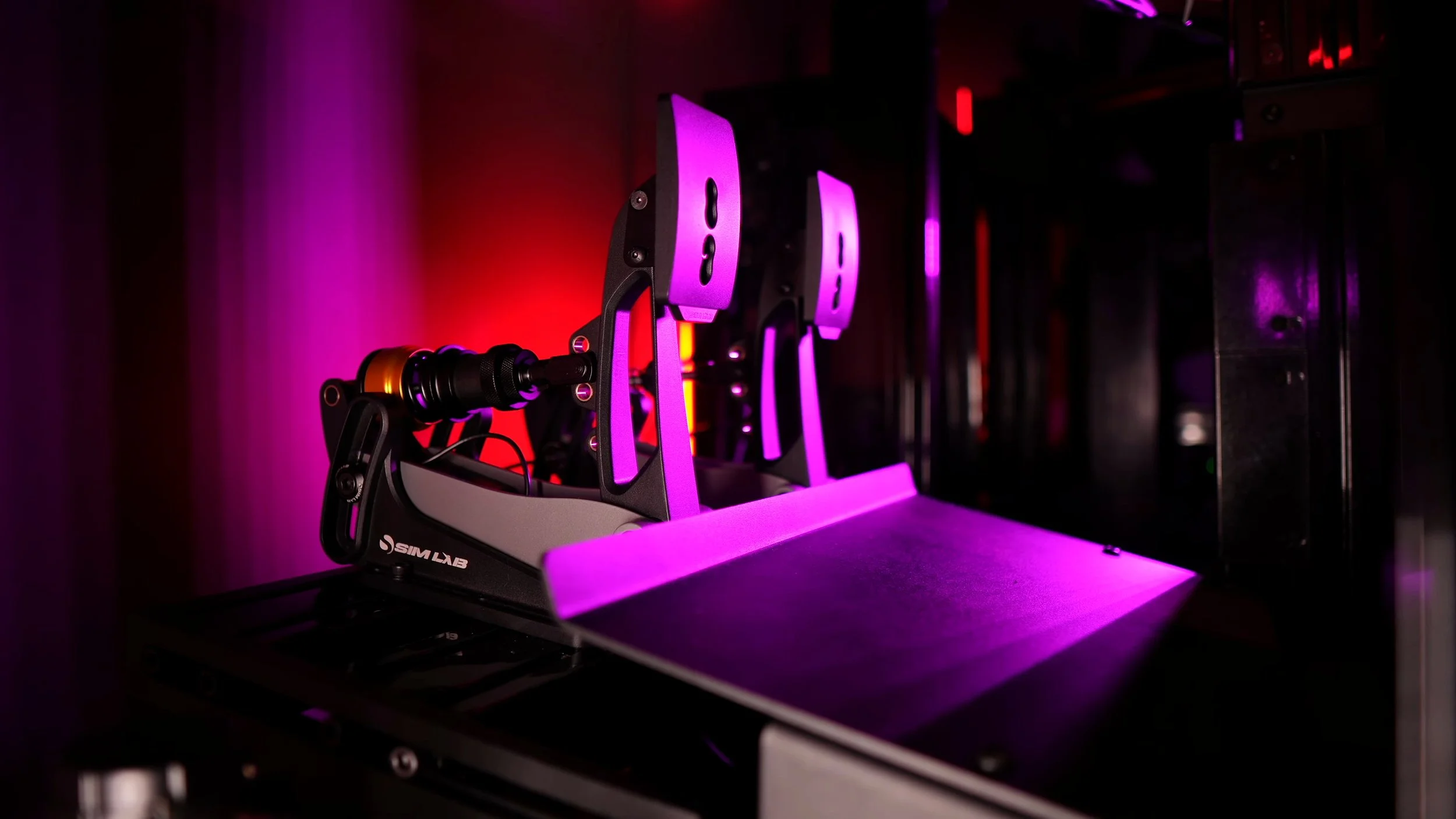
Installation on my ASR Pro Gen2 was straightforward. I lined up the profiles on the pedal base, secured the pedals with T-nuts and fasteners, then adjusted their positions.
Loosening the bolts on either side let me change the pedal angle to match my seating position. The separate pedals also made it easy to choose the spacing that suited me.
The control box deserved more care than I gave it. I overtightened the mounting points and snapped two of the plastic tabs. That was a clear reminder to use a light touch when securing the box, even though the pedals themselves felt robust.
Once mounted, I connected the pedals to the control box and ran USB back to the PC. The set I tested was PC-only. Check your pedal plate and mounting arrangement before ordering; a compatible computer connection does not ensure the pedals physically fit your cockpit.
Useful adjustments without constant tool changes
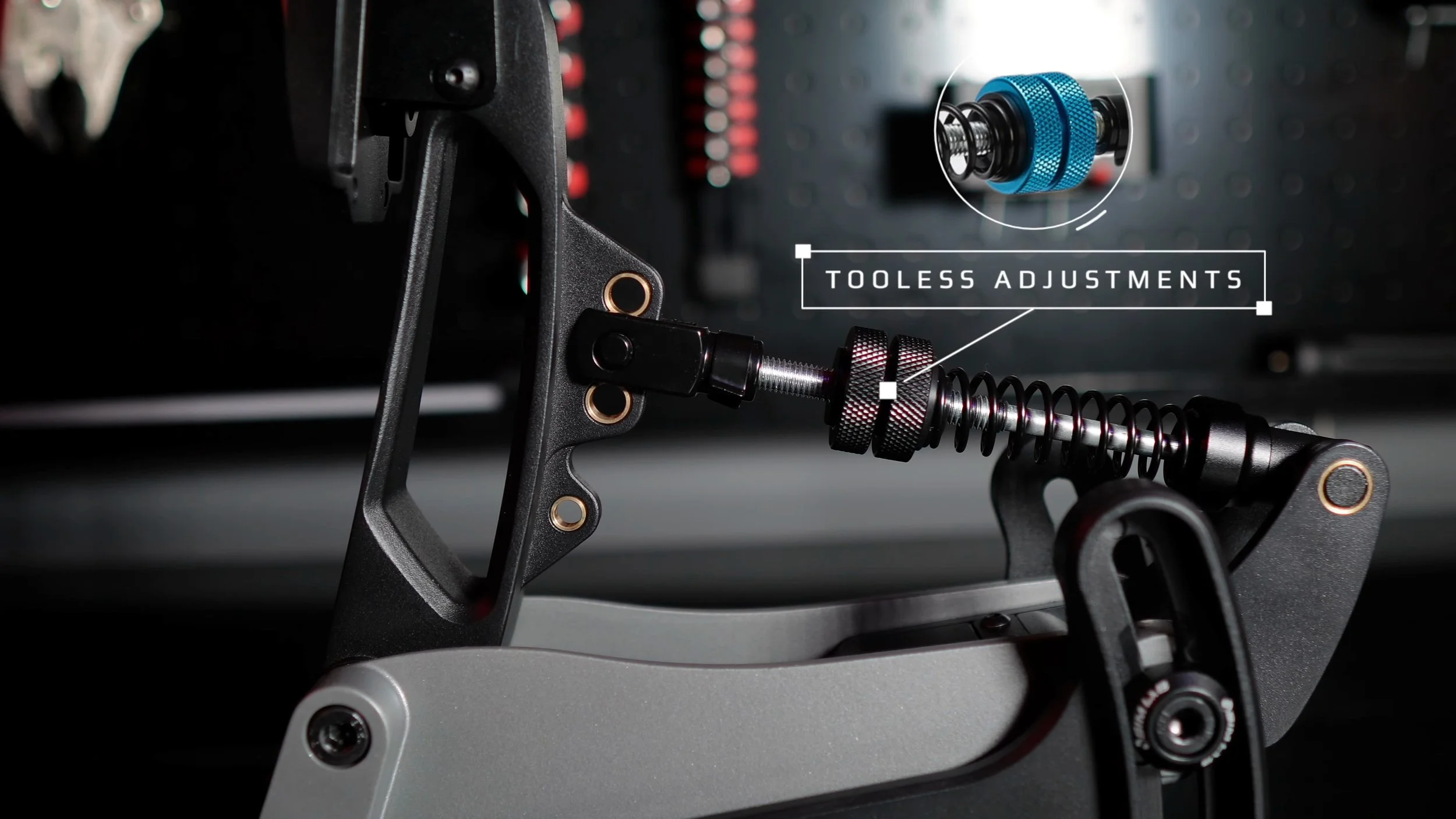
Several adjustments used hand-operated knobs, which I appreciated when experimenting with pedal travel and resistance. Other changes still needed an Allen key; this was not an entirely tool-free assembly.
I could alter pedal travel, spring resistance and the leverage position on the pedal arm. I preferred the ease of those adjustments to the more involved process on my Heusinkveld Sprints.
The supplied springs and elastomers gave me useful options for changing the brake’s initial movement and the firmer portion of its travel. After a mechanical adjustment, I recalibrated the pedals rather than expecting the old settings to remain correct.
RaceDirector and sensitive inputs
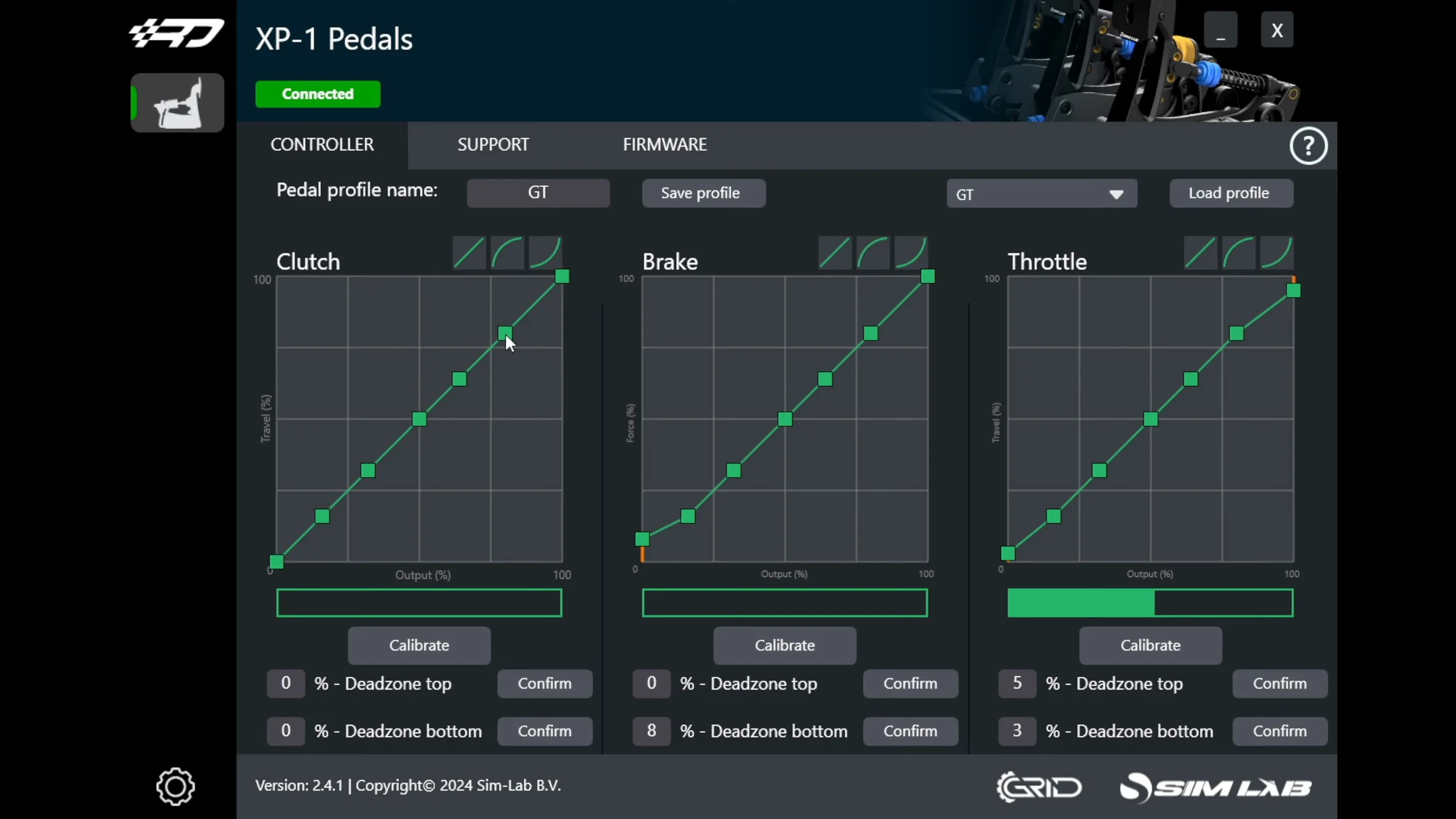
I used Sim-Lab’s RaceDirector software for calibration, deadzones and response curves. It supported saved profiles, so I could keep the settings I liked instead of repeating the setup each time.
Deadzones were particularly useful. The pedals were sensitive enough to register a small input when I rested my foot on them, and I adjusted for that before driving.
The software did what I needed. Unless I was changing profiles or using other compatible controls, I did not expect to spend much time in it after the initial setup. These comments describe the software used for the original review.
How they felt on track
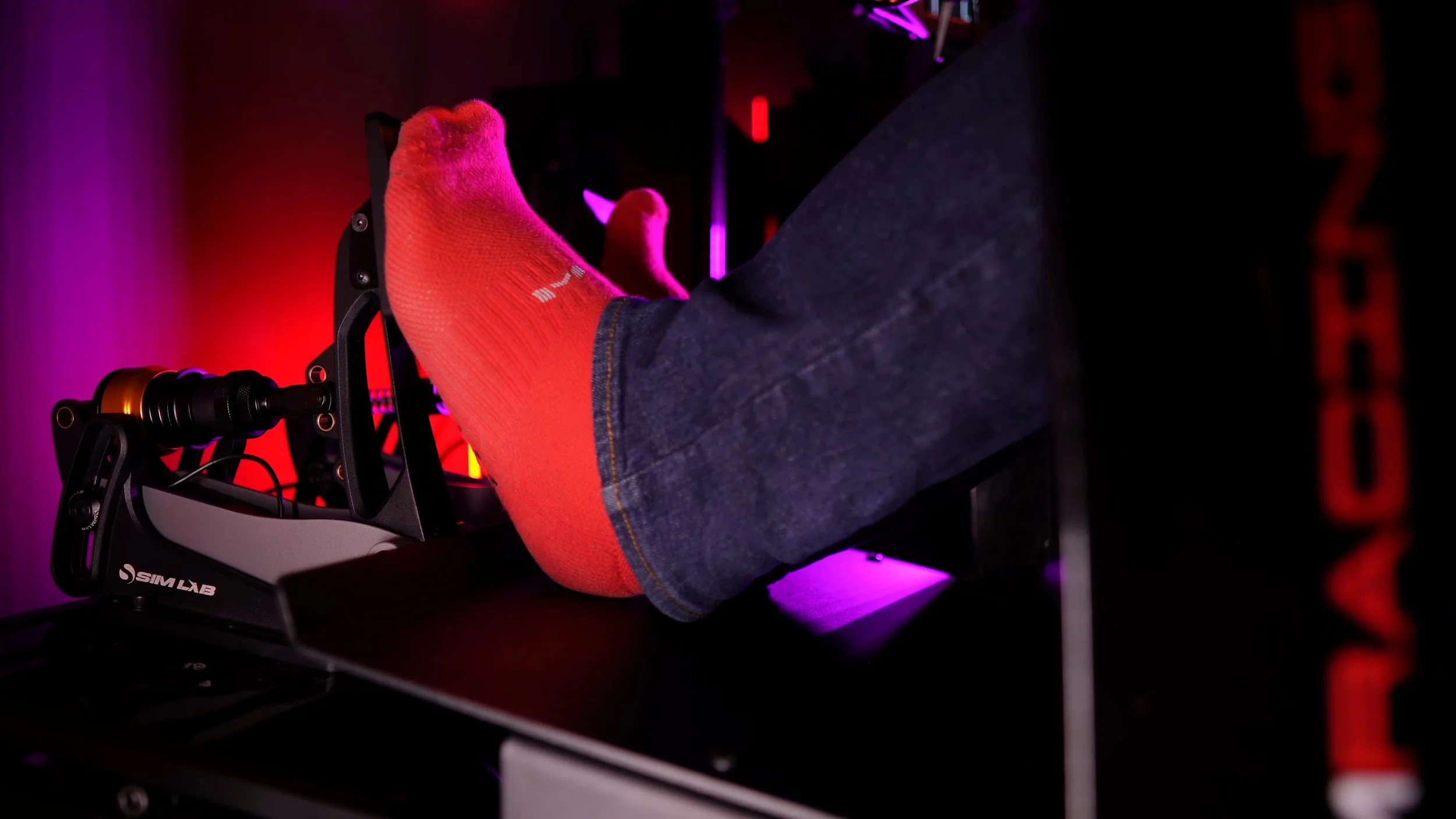
My daily setup at the time used ActivePedals, so the first few laps required a little muscle-memory adjustment. The XP1s nevertheless felt natural quickly, even with the default configuration.
I stiffened the throttle and shortened its throw to suit my preference. On the brake, the standard 60A medium elastomers were comfortable but slightly soft for my taste, so I preferred the harder 70A option.
The medium preload spring worked well for me. The extra softer and harder springs offered another way to tune the first stage of braking, depending on the kind of car feel I wanted.
I could brake consistently and enjoyed the precision of the controls. I was able to set consistent lap times, but I did not measure a guaranteed pace gain over another pedal set.
The combination of smooth movement, comfort and easy adjustment impressed me enough that I left the pedals installed after the test. These impressions describe my original testing period.
My final verdict
The XP1 exceeded my expectations during the original review. It offered the premium construction and precise control I wanted from a passive pedal set, with adjustments that made it easy to find a comfortable setup.
My main reservations were practical: I wanted more pedal-face options, the complete mounting arrangement needed budgeting for, and the control-box tabs were easy to damage if overtightened.
At the original US$499 two-pedal price, I considered it a strong mid-range option. The current buying decision still depends on the complete price and the alternatives available to you, but the month of driving left me with very little to criticise about the actual pedal feel.
Explore the Sim-Lab XP1 pedals.
Check the current price, available options and compatibility before ordering.
View the XP1 at Sim-LabAffiliate link: I may earn a commission if you buy through this link, at no extra cost to you.
Confirm taxes, shipping and any required accessories at checkout.
About this article: Adapted from my original review script and video review. Driving impressions refer to the original review period. The official XP1 product page confirms the load-cell and pedal-pressure distinction. Prices and driving impressions in this article are tied to the original review.
Back to top ↑