
Sims & Games / News
RaceRoom’s Historic Update overhauls force feedback, menus and VR
Classic touring cars and circuits arrive alongside a substantial refresh for existing RaceRoom drivers.
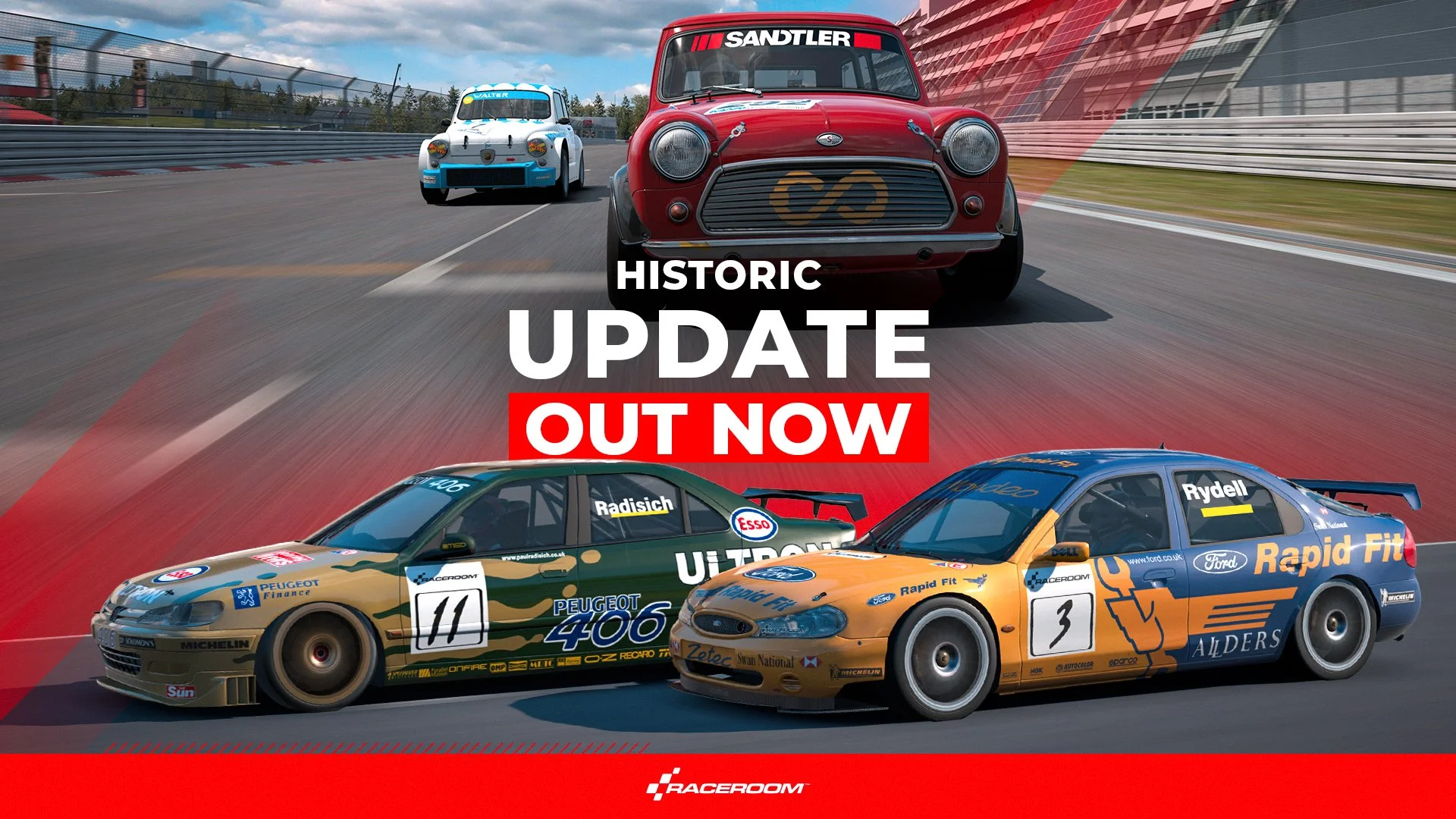
A bigger update than the name suggests
RaceRoom’s Historic Update arrived on October 21 with additions for classic touring-car fans and changes that reach well beyond the new content. Alongside new cars and circuits, the release replaces the old menu and backend, revises force feedback and modernises several long-standing systems. Returning players should allow time to revisit settings before jumping straight into a competitive race. Official source.
- Group 2 additions
- Abarth 1000 TCR and Mini Cooper Mk3
- Super Touring additions
- Peugeot 406 Super Touring 1998 and Ford Mondeo
- New locations
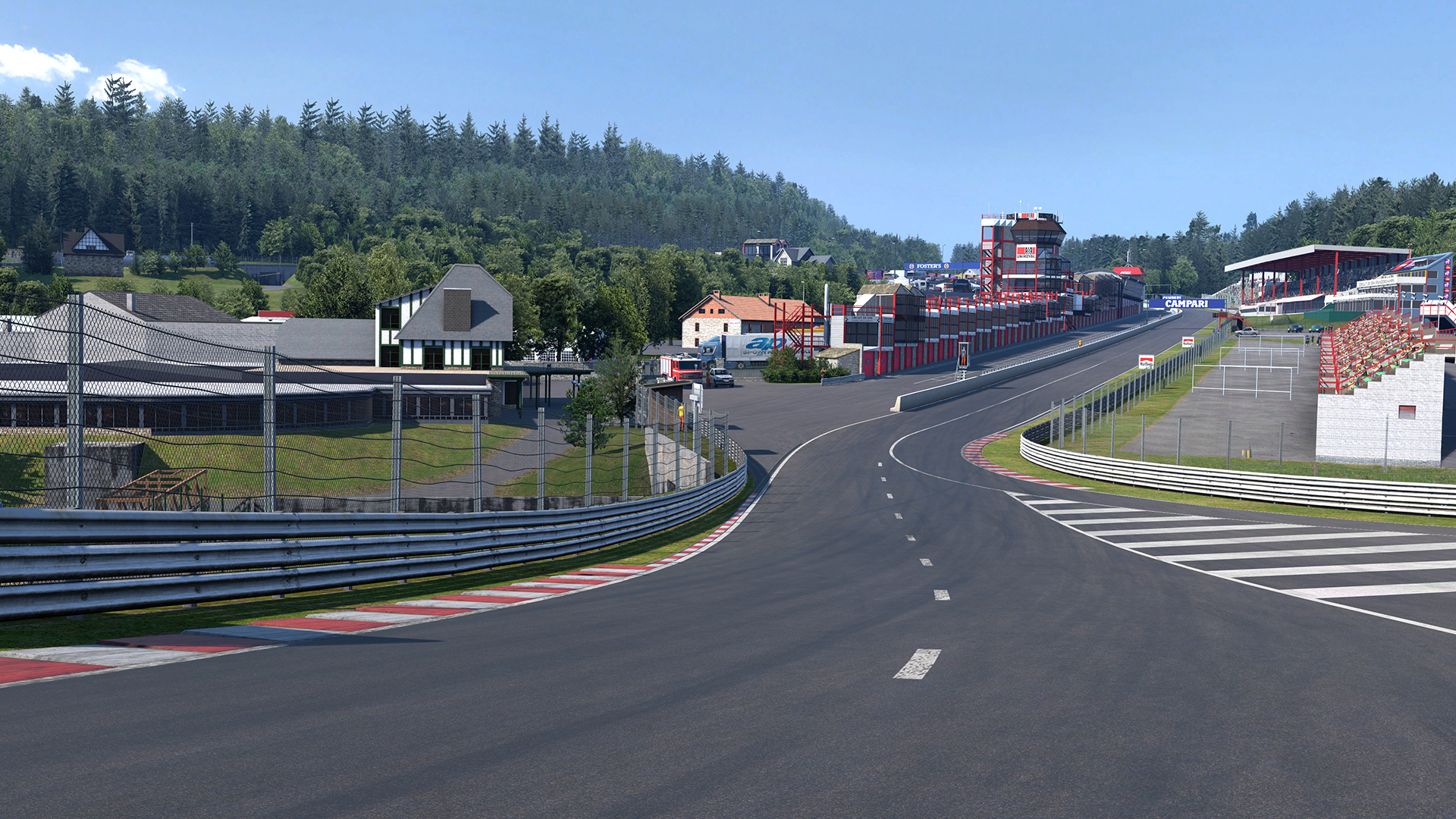
- Spa-Francorchamps 1995, Laguna Seca Historic, Wunstorf and Glasbachrennen
Classic cars and circuits broaden the grid
The new Group 2 cars expand the class alongside the existing NSU TTS and Volkswagen Scirocco. Super Touring receives two more late-1990s entries. The circuit additions cover different types of driving: period road courses, an airfield venue and a hillclimb. Hockenheimring is also updated. Official source.
For anyone returning for the historic content, choose a car and track pairing before shopping. A small touring car on a shorter circuit offers a very different session from a fast car at Spa. Learning one combination first makes it easier to separate unfamiliar machinery from changes to the game itself.
Force feedback deserves a fresh setup pass
The separate force-feedback announcement explains a correction to front-wheel gyroscopic calculations that previously added constant steering weight. Power steering has been rebuilt, with different steering-system types modelled, and new controls include Smoothing, Gyro Damping, Gyro Effect and Road Noise. Stationary and low-speed forces now come from tyre friction and twisting behaviour. Official source.
These changes mean an old preset may need attention. Begin with a familiar car, moderate force and a saved copy of your previous configuration. Drive before increasing damping or smoothing. A lighter wheel through a corner does not automatically mean missing detail; judge whether the changing load is easier to understand.
Adjust one control at a time. Use the same corners to compare turn-in, steady load and the transition into a slide. Avoid immediately restoring every old effect, because that can hide what the revised system is doing. This is setup guidance, rather than a measured assessment of every supported wheelbase.

Ownership and everyday navigation change too
Car purchases now include all liveries, and owners of a previously purchased single livery receive the remaining designs for that car. Test Drive can use a track you own. Driver statistics restart from October 20; older statistics have not transferred. Official source.
The practical benefit is a simpler ownership decision: look at the car and class you want to drive rather than comparing individual liveries. Test a prospective car on a circuit you already know, then decide whether it adds something useful to your garage. The update announcement should not be read as making every new car and circuit free.
What to check on your first evening back
The official patch notes also document manual rolling starts and OpenXR VR support. Treat those as changes to your routine, especially if you previously relied on the old start procedure or a different headset runtime. Official source.
Run a short practice session first, confirm your controls and display settings, then try an offline race before entering multiplayer. For rolling starts, learn the formation guidance before racing other drivers. For VR, verify that the intended OpenXR runtime is active. A few minutes spent checking these details is preferable to discovering an unfamiliar procedure after joining a full grid.