
Review disclosure: Gomez Sim Industries supplied the FPE V2 for review, and I retained the wheel. My unit had four carbon-fiber paddles and the integrated Asetek quick-release option. These impressions refer to my February 2025 test. I may earn a commission through the affiliate product link, at no extra cost to you.
I have always liked GSI’s design language. Its wheels are more dramatic than many real motorsport controls, yet they still feel at home in a racing cockpit. With the Formula Pro Elite V2, the appeal went beyond the way it looked: the controls, paddles and comfortable shape made it a wheel I enjoyed using across different types of car.
My verdict at a glance
Best suited to: Drivers looking for a premium display wheel that works well for open-wheel, prototype and GT racing.
What stood out: A comfortable 300 mm shape, satisfying magnetic shifters, excellent controls and lighting that was both attractive and useful.
What to consider: The premium price, 4.3-inch screen, fixed printed button labels and the extra cost of matching the configuration I tested.
A 300 mm wheel for more than formula cars
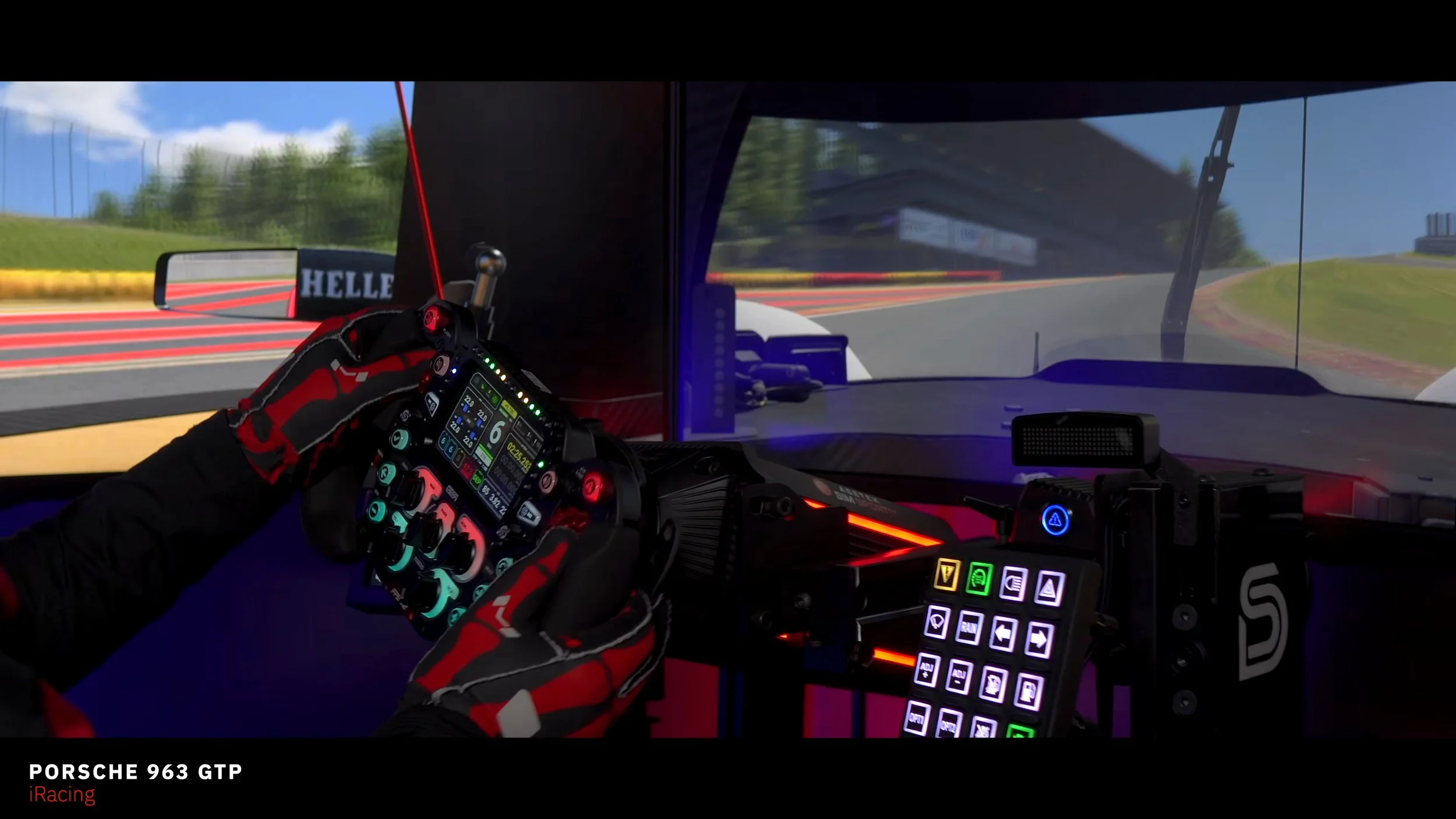
The FPE V2 was a substantial redesign of the original Formula Pro Elite. Its slightly smaller 300 mm diameter helped it feel natural in open-wheel cars, prototypes and GT machinery.
The aluminum body and carbon-fiber front plate gave it a solid feel. Even with the screen and four paddles, it felt light in use compared with heavier wheels in my collection, which made the steering enjoyable.
I liked the silicone grips. They were soft and comfortable without the sticky surface I have felt on some alternatives. I still preferred wearing gloves, although I was happy with the wheel in my bare hands too.
These were not the most comfortable grips I had ever held, but there were no notable comfort problems in my testing. Hand size and preference matter, so I would treat my positive experience as useful context rather than a guarantee that the shape suits everyone.
The controls were a real strength
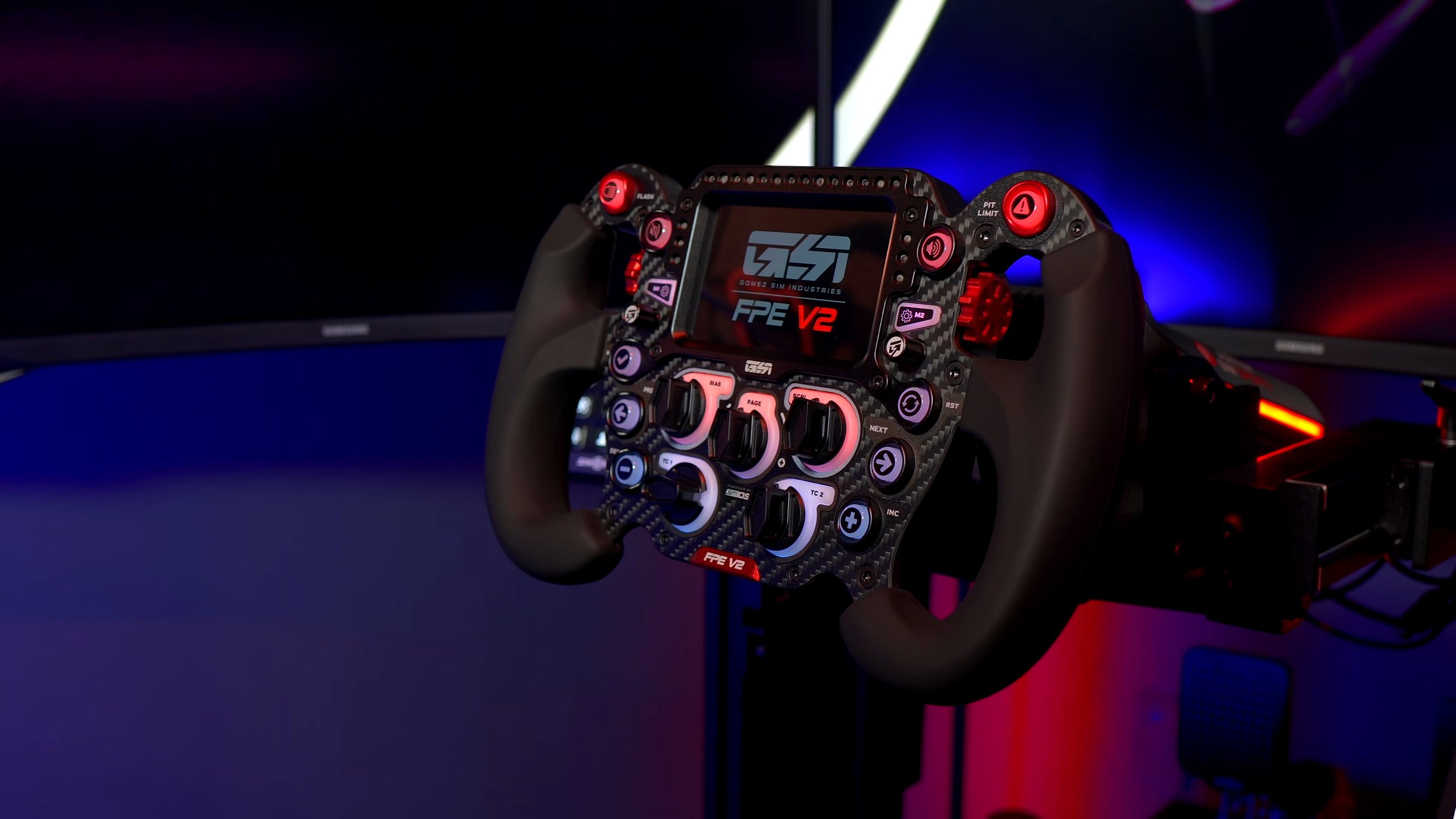
The buttons and rotary controls felt excellent. I liked the way the buttons pressed and the knobs turned, and the important inputs were positioned where I needed them while driving.
There were far more assignments available than I needed. Alongside the illuminated push buttons, the wheel had thumb encoders, front rotary controls and two seven-way switches for menus and car settings.
GSI’s push-and-rotate encoder functions added another layer of inputs. That can be useful if you want more assignments without more physical controls, but I would start with a layout I could use confidently on track.
One limitation deserved more attention than the total number of inputs: the button labels were printed on the buttons, with no alternative decal set in my box. I liked the feel of the printed finish, but it was less flexible if I later wanted a different layout.
GSI offered paid custom layouts through its configurator. I would decide how much label flexibility matters before ordering rather than assuming the standard wheel includes a sticker set for every possible assignment.
Paddles and my Asetek connection
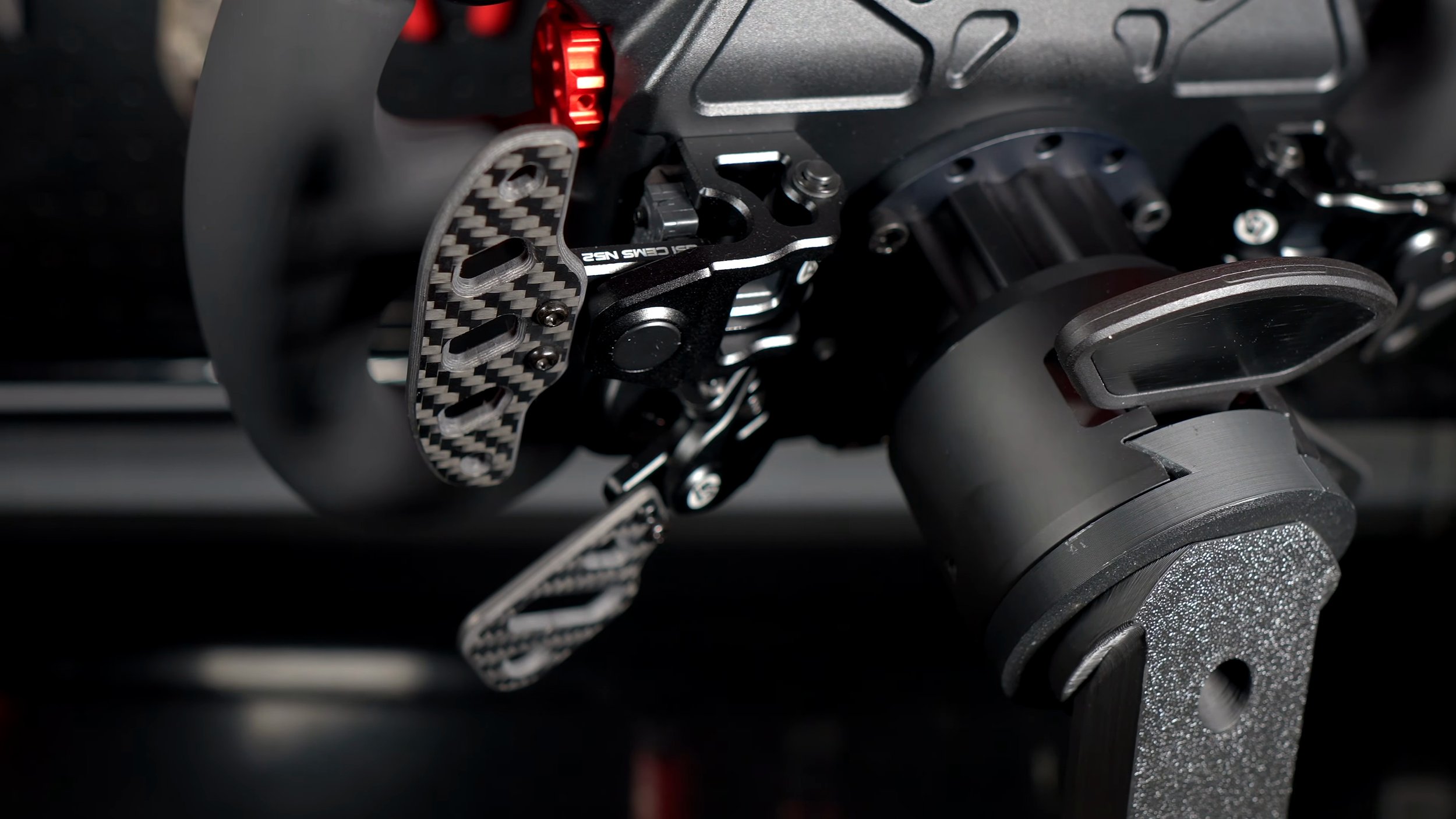
My review wheel had four carbon-fiber paddles: magnetic shifters and dual clutches. The FPE V2 configurations discussed in my review offered two or four paddles, without the additional upper pair available on GSI’s Hyper P1.
I rarely use upper paddles myself, so their absence was not a concern for me. Someone who regularly assigns functions to that extra pair may feel differently.
The shifters had the distinctive quick, satisfying action I associate with GSI. I liked their sound and engagement, and did not find them excessively loud. Paddle feel is personal, but I had no complaints here.
I used the integrated Asetek quick-release option on my Invicta wheelbase. That passed the connection through the quick release and removed the external USB cable from my setup, which I particularly appreciated.
The wheel also has a 70 mm mounting pattern for other supported arrangements. With a conventional connection, GSI recommends its cable through a powered USB hub. The quick release, electrical connection and wheelbase compatibility all need to match; the bolt pattern alone is only part of that choice.
A sharp screen, though not a large one
The 4.3-inch touchscreen looked crisp to me. I could read the information I normally used, but dashboard templates with particularly small text were less suitable.
A five-inch screen would have been welcome, though fitting one would have changed the wheel’s layout. This was a compromise I could accept, rather than something I would ignore when comparing alternatives.
The surrounding rev and telemetry lights worked well. The broader RGB lighting across the wheel was also a big part of its character: GSI’s gradient profiles looked striking on my rig.
I did not always need the display to duplicate the virtual instruments. Sometimes I used Lovely Dashboard’s companion layout for a track map instead. That gave the screen a separate purpose when I already had useful car information elsewhere.
SimOS, SimHub and lighting choices
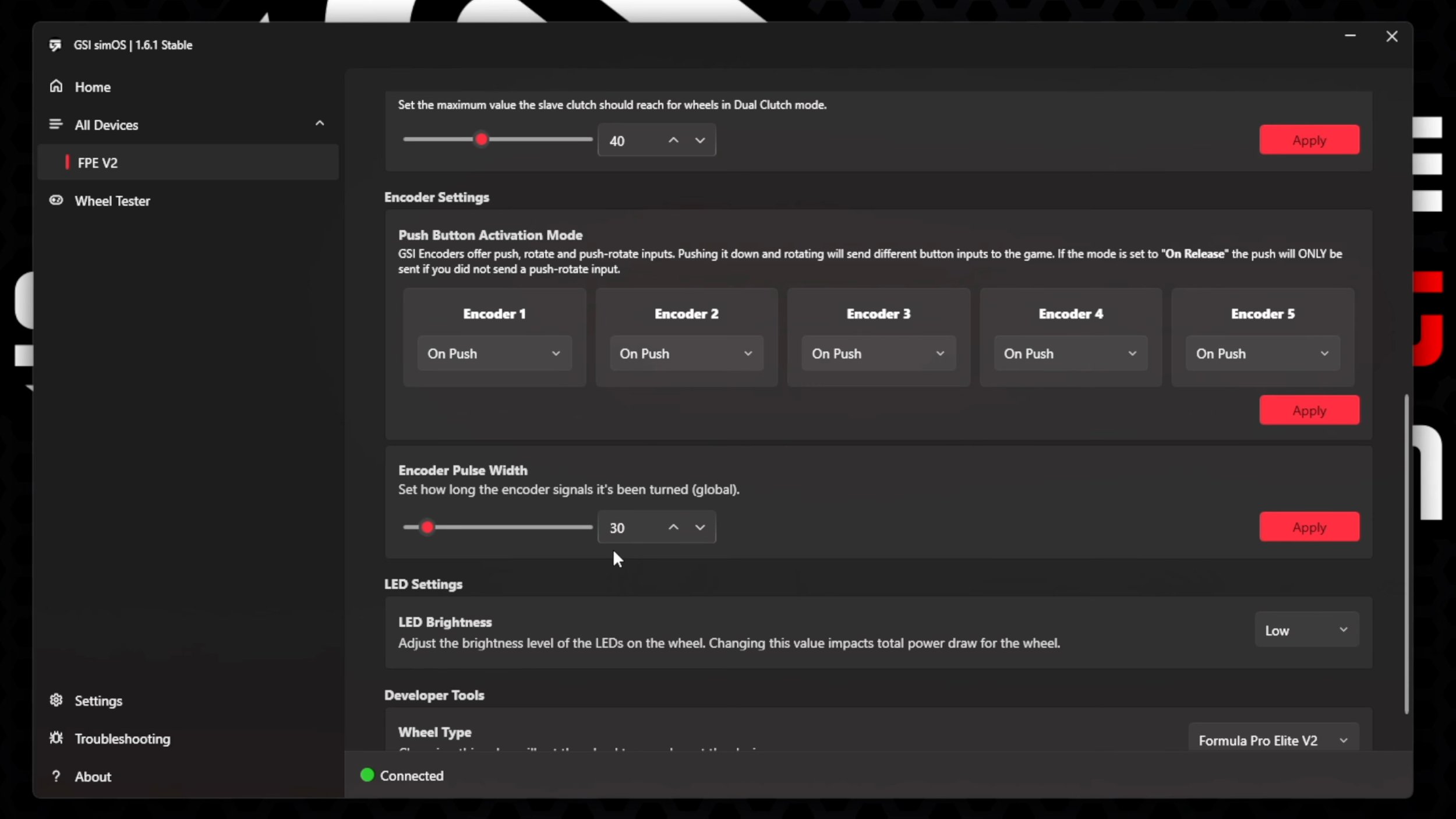
GSI’s SimOS app handled firmware, clutch adjustment and encoder activation modes. I appreciated having a dedicated tool for those wheel functions.
For the display and lighting, I used SimHub. GSI supplied dashboard and lighting options, including telemetry and input-based effects in different color themes.
Daniel Newman Racing was another option I liked. Its profile and SimHub plugin added a different set of lighting effects and customization choices. The DNR option I discussed required a paid membership, so it should not be assumed to come with the wheel.
There was enough flexibility to make the wheel suit my setup without needing to create every effect myself. Choosing readable information and meaningful lighting was more useful than assigning a function to every available control just because I could.
What it felt like on track
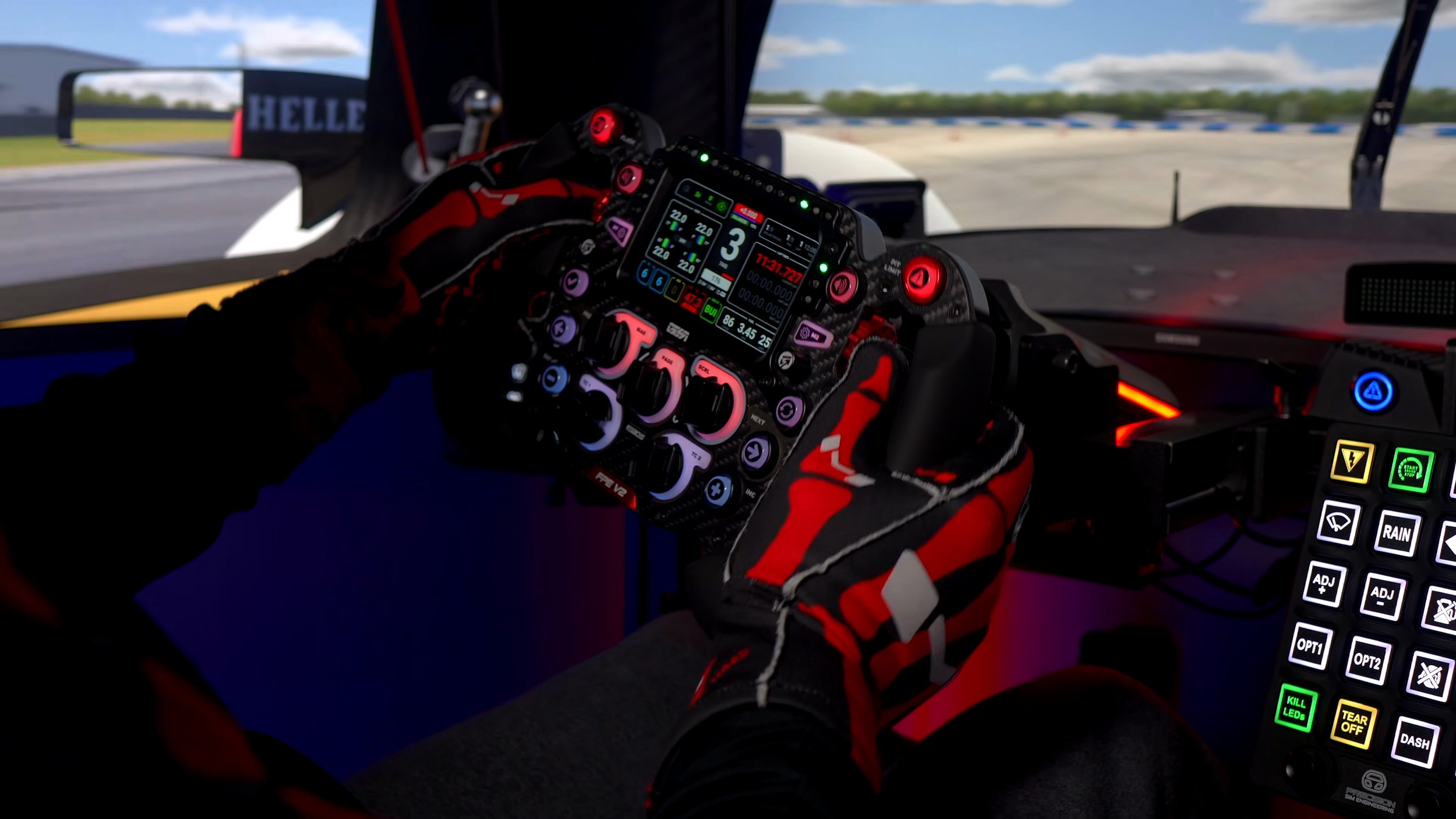
The FPE V2 was excellent to drive with. The combination of its size, light feel and accessible controls made it easy to settle into a session.
I enjoyed it in the different car classes I used, which made it a strong candidate for a primary wheel if formula-style controls suited the driving I wanted to do.
The satisfying paddles and well-placed inputs were the details I noticed repeatedly. There was no sense that the dramatic styling had come at the expense of the controls I actually used.
I did not encounter control or button problems during the review. My assessment is about that testing experience, rather than a claim to have measured performance gains or established long-term durability.
Price and my final verdict
My February 2025 review quoted a starting price of US$1,250, with the four-carbon-paddle configuration at US$1,487. Those are historical review prices; current regional pricing and optional mounting parts can change the complete cost.
The FPE V2 was firmly a premium purchase. What justified my enthusiasm was the combination of build quality, usable design, excellent controls and an enjoyable driving feel.
The small screen and printed labels were the main details I would want a buyer to think through. I would also compare the exact paddle and quick-release configuration, rather than judging the unit I tested against the lowest starting price.
For me, it was a successful combination of appearance and function. If you want a high-end display wheel for several racing disciplines, the FPE V2 made a strong case in my original test. It looked distinctive on the rig and remained satisfying once the session started.
Save 5% at GSI.
Use my viewer code on the FPE V2. Choose your paddle configuration and mounting option before comparing the complete price.
DISCOUNT CODESIMRACINGDENAffiliate link: I may earn a commission if you buy through this link, at no extra cost to you.
Confirm taxes, shipping and any required accessories at checkout.
About this article: Adapted from my original review script and video review. Driving impressions refer to the original review period. The official GSI listing provides current configuration and compatibility information. The price and driving assessment above refer to February 2025.
Back to top ↑