
Review disclosure: I bought the Fractal Scape with my own money. Fractal did not supply the headset, and I had no affiliation with Fractal when I made the original review. The Amazon shopping link below is an affiliate link; as an Amazon Associate, I earn from qualifying purchases.
Headphones make sense on my sim rig: they help me focus on the sound of the car, keep a microphone ready for voice chat and let me race in the evening without disturbing everyone else in the house. I had tried several headsets without finding the combination of comfort, sound and everyday convenience I wanted. The Fractal Scape came closer to that combination than I expected.
My verdict at a glance
Best suited to: Sim racers who value long-session comfort, clear sound and a convenient place to store and charge a wireless headset.
What stood out: Comfortable fabric cushions, simple physical controls, the included charging dock and a clear detachable microphone.
What to consider: No simultaneous mixing of Bluetooth and 2.4 GHz audio, a less convincing backup microphone and a price above entry-level headsets.
Why I chose the Scape
I already liked Fractal’s restrained approach to PC hardware, so its first headset caught my attention. I was also cautious: making a good PC case does not automatically mean a company will make a headset I enjoy.
After looking into it, I decided to purchase one. The black version suited my setup, although a lighter version was also available. I liked that it looked like a piece of audio equipment I would happily leave on the desk, with the lighting turned down or off.
My July 2025 review discussed a price of $200. That placed it above a budget purchase, but the included dock was an important part of the value for me. Use current regional pricing when comparing it with other headsets today.
Comfort during longer races
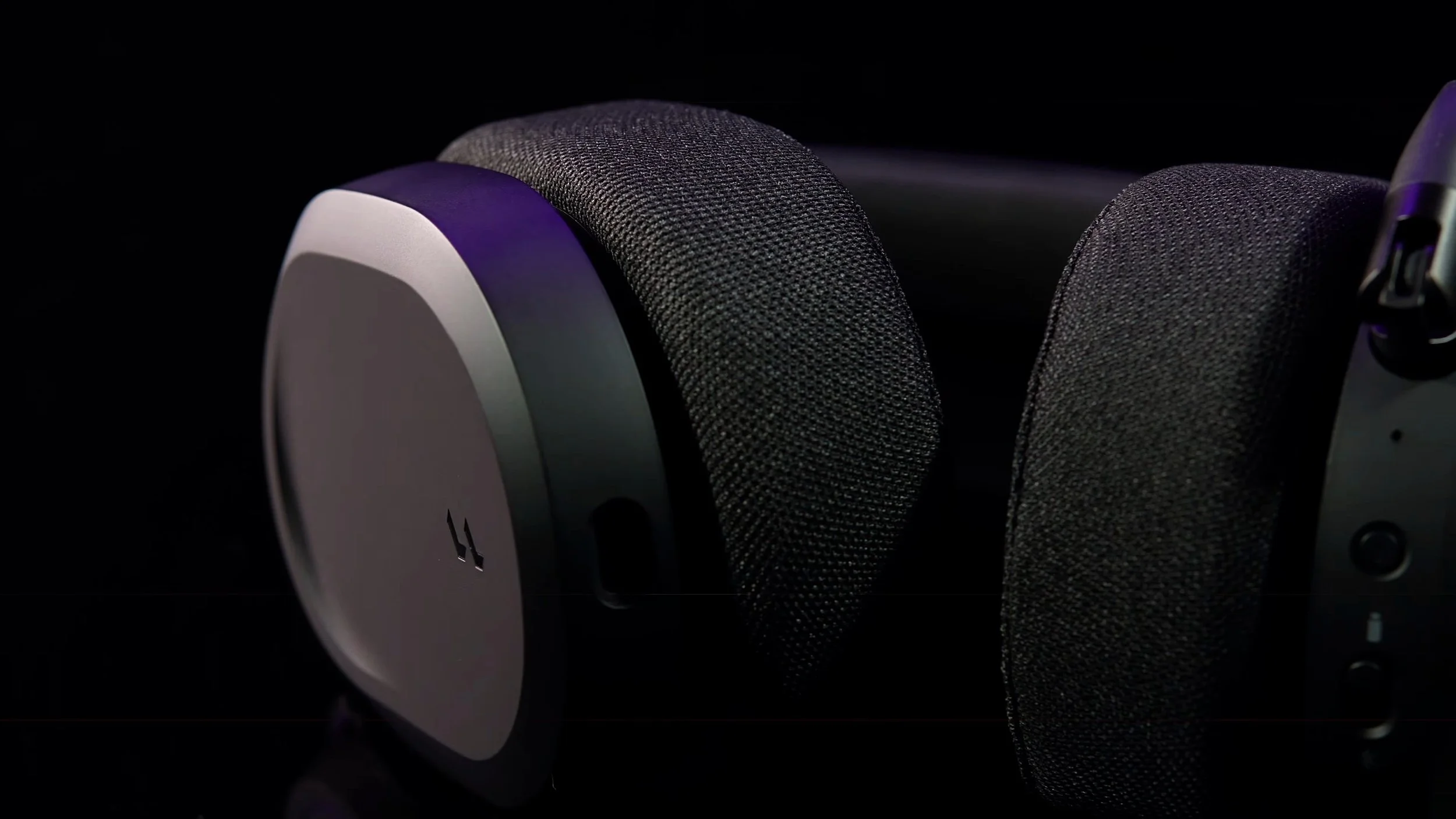
Comfort was the Scape’s biggest strength for my use. The memory-foam cushions and headband were covered in soft, breathable fabric, and the weight felt well distributed. I completed long racing sessions without the discomfort I had experienced with some other headsets.
The materials felt pleasant against my head, including when the room became warm. I also appreciated that the ear pads could be removed for cleaning or replacement. Those practical details matter more after several hours than they do during a quick unboxing.
Fit is still personal. Head shape, glasses and preferred clamping pressure can change the experience, so my comfort verdict is about how the Scape worked for me. For my head and driving position, it was an excellent match.
A design I wanted on my desk
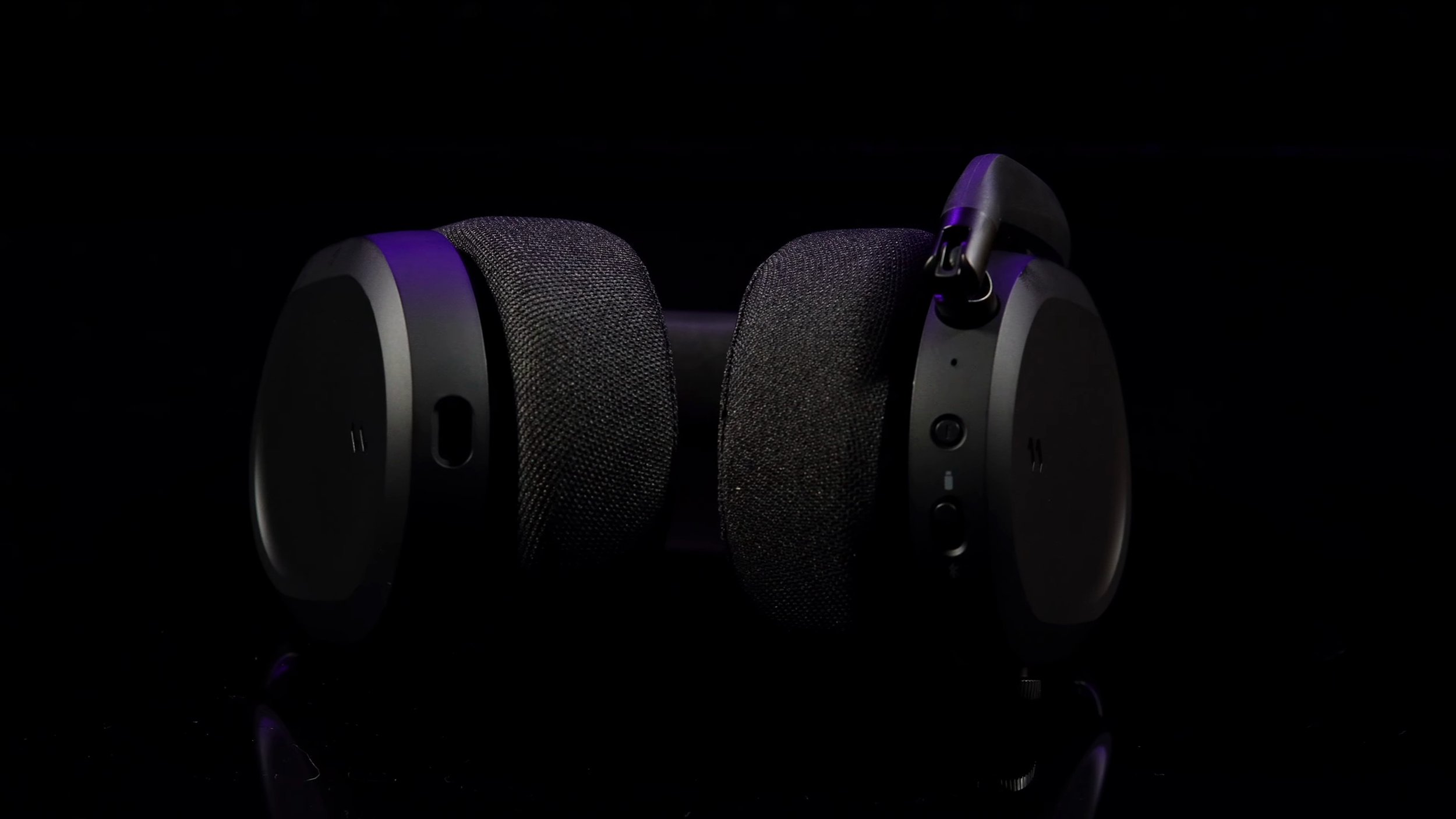
I liked the mix of metal details, plastic and fabric. The hinges and controls felt substantial, while the small logos and diffused lighting kept the design restrained. I usually left the lighting off to save battery, although I also tried a red setting to match the rest of my setup.
The volume crown was easy to find by touch. Rotating it adjusted volume, while presses handled media playback. Separate controls let me select the connection, toggle lighting and cycle through the stored EQ profiles.
The detachable boom microphone attached securely and could be flipped up to mute. Its flexible arm was not perfect at holding an exact position, but I found the microphone reasonably forgiving about placement. The mute indication and audible feedback were useful when talking to someone in the room between races.
The charging dock changed the routine
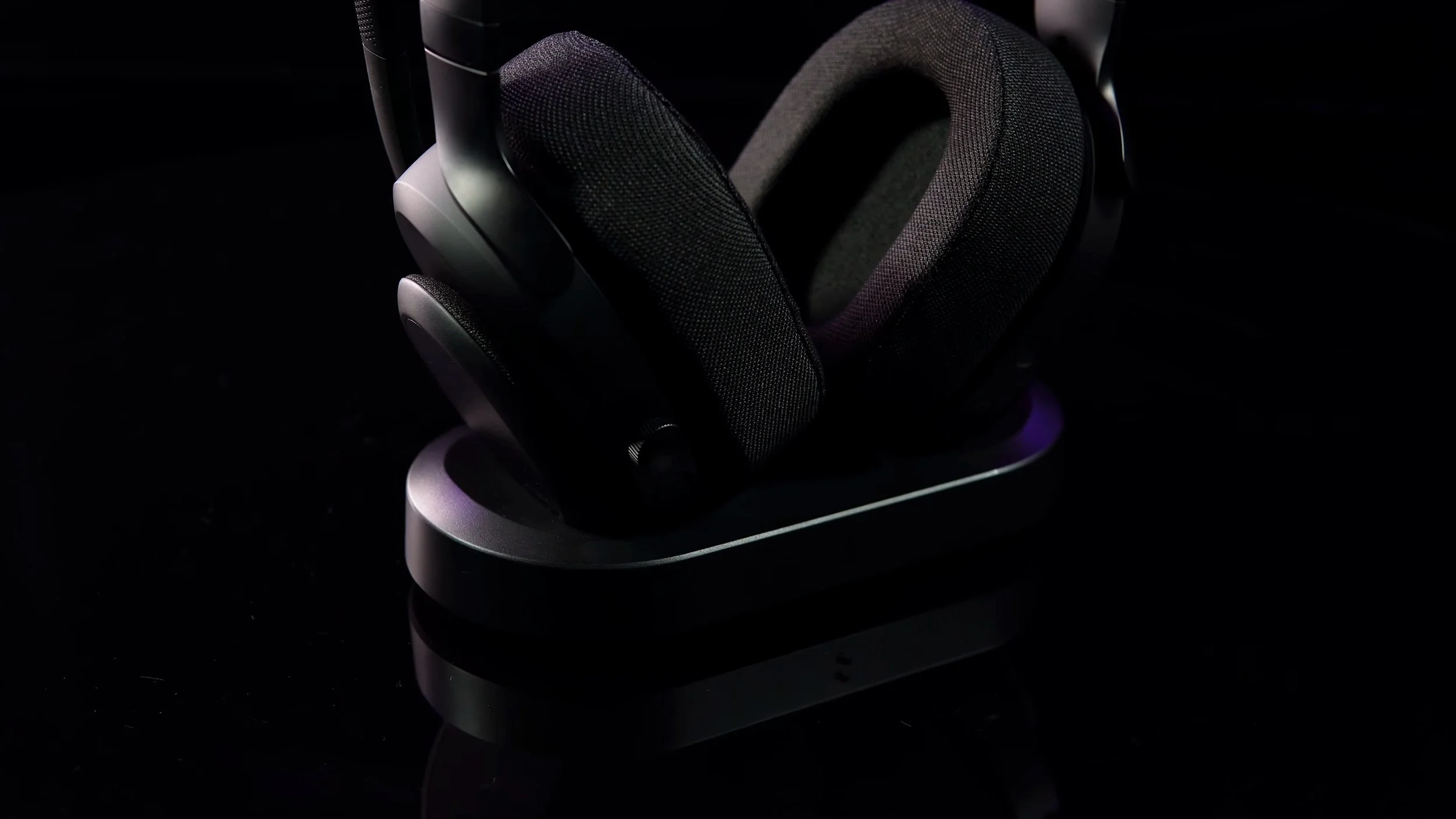
The included dock was my favourite everyday feature. Instead of finding a cable after a session, I could put the headset back on its stand. Magnets helped align it, and the cutout for the microphone made the intended position clear.
Placing the headset on the dock powered it down; lifting it off brought it back on. That small routine made the Scape feel ready whenever I returned to the rig.
The stand’s soft contact surfaces suited the headset’s finish, and the cable routing underneath helped keep the desk tidy. It also provided a place for the wireless dongle. For USB data through the dock, the dock still needs an appropriate connection to the computer; a power-only supply does not create a PC audio connection.
Fractal describes the charging as inductive. In practice, what mattered to me was that I stopped thinking about charging between normal sessions. I would rather have a convenient routine like this than a larger battery I repeatedly forgot to plug in.
Wireless use and the audio-mixing limit
I used the 2.4 GHz dongle connection for racing and did not notice lag or connection drops during my testing. That is my experience on the rig, not a laboratory measurement of latency or a guarantee of range in every home.
The Scape also offers Bluetooth and USB connections. That flexibility is useful if you want to use it away from the rig or with a cable, but switching connections is different from mixing them.
You cannot combine Bluetooth audio and the 2.4 GHz PC connection simultaneously. If you want a phone call playing alongside your sim audio, this limitation deserves attention. It did not bother me in my normal racing use, but it may rule the headset out for someone with a different routine.
The battery lasted comfortably through my sessions, helped by returning the headset to the dock. Fractal’s published figures are over 40 hours with RGB off and over 24 hours with it on, with a full charge taking under three hours. Treat those as manufacturer figures; the dock and my own usage pattern were the basis of my practical verdict.
Adjust Pro without another desktop app
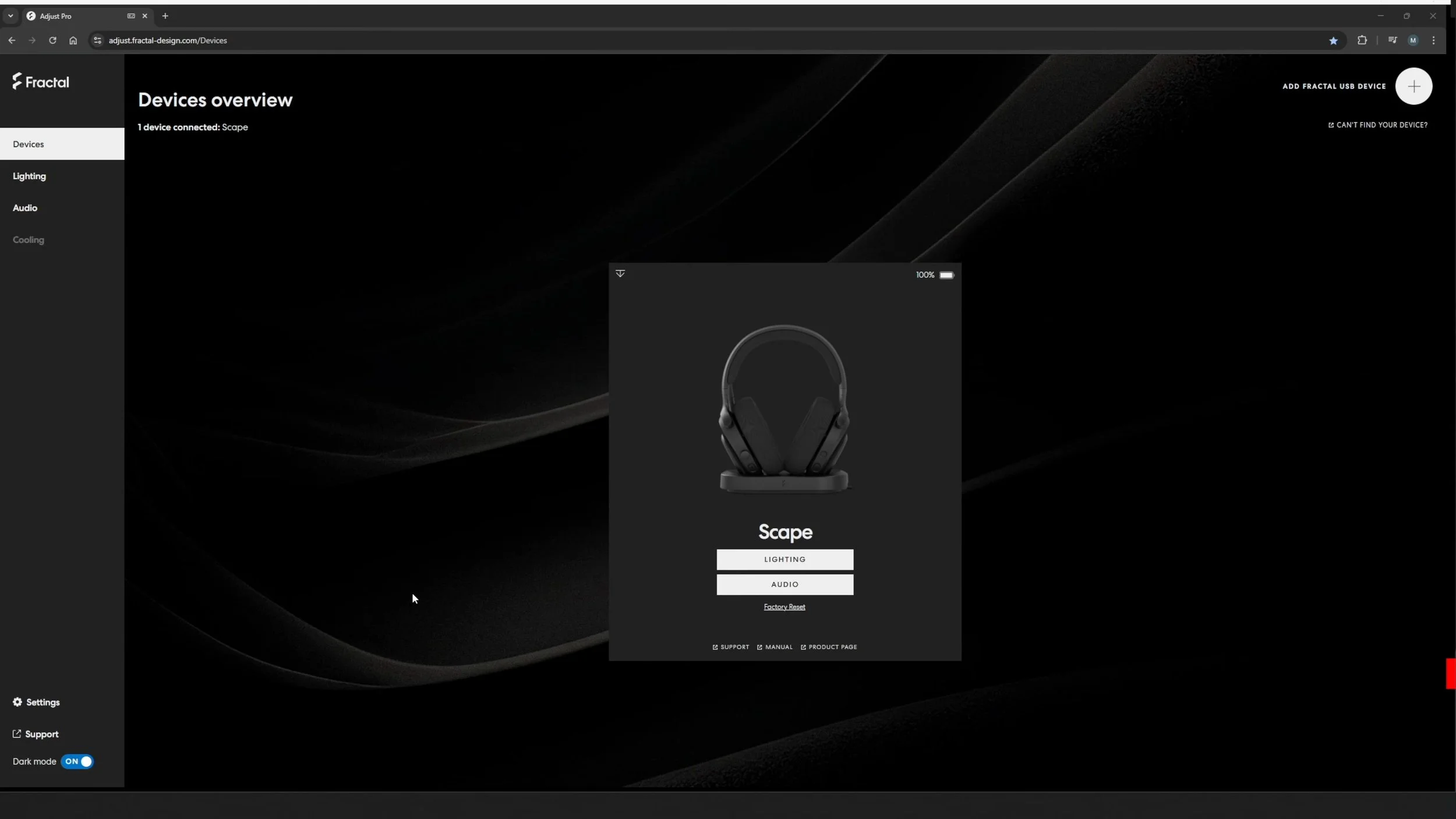
I appreciated being able to configure the headset through Fractal’s browser-based Adjust Pro tool. It avoided another desktop software suite, and I did not need to keep revisiting the settings once I had updated the firmware and found a setup I liked.
The audio controls let me adjust the EQ and save three profiles to switch between on the headset. The EQ-code feature was also a useful way to share settings with another Scape owner.
Microphone controls included sidetone, noise cancellation and a test function. Sidetone was particularly useful for hearing my own voice rather than speaking unnecessarily loudly with headphones on.
Lighting could be customised or disabled. The official Adjust Pro page explains the current setup requirements; use a supported Chromium-based browser and the appropriate USB connection or dongle when configuring the headset.
Sound from a sim racer’s perspective
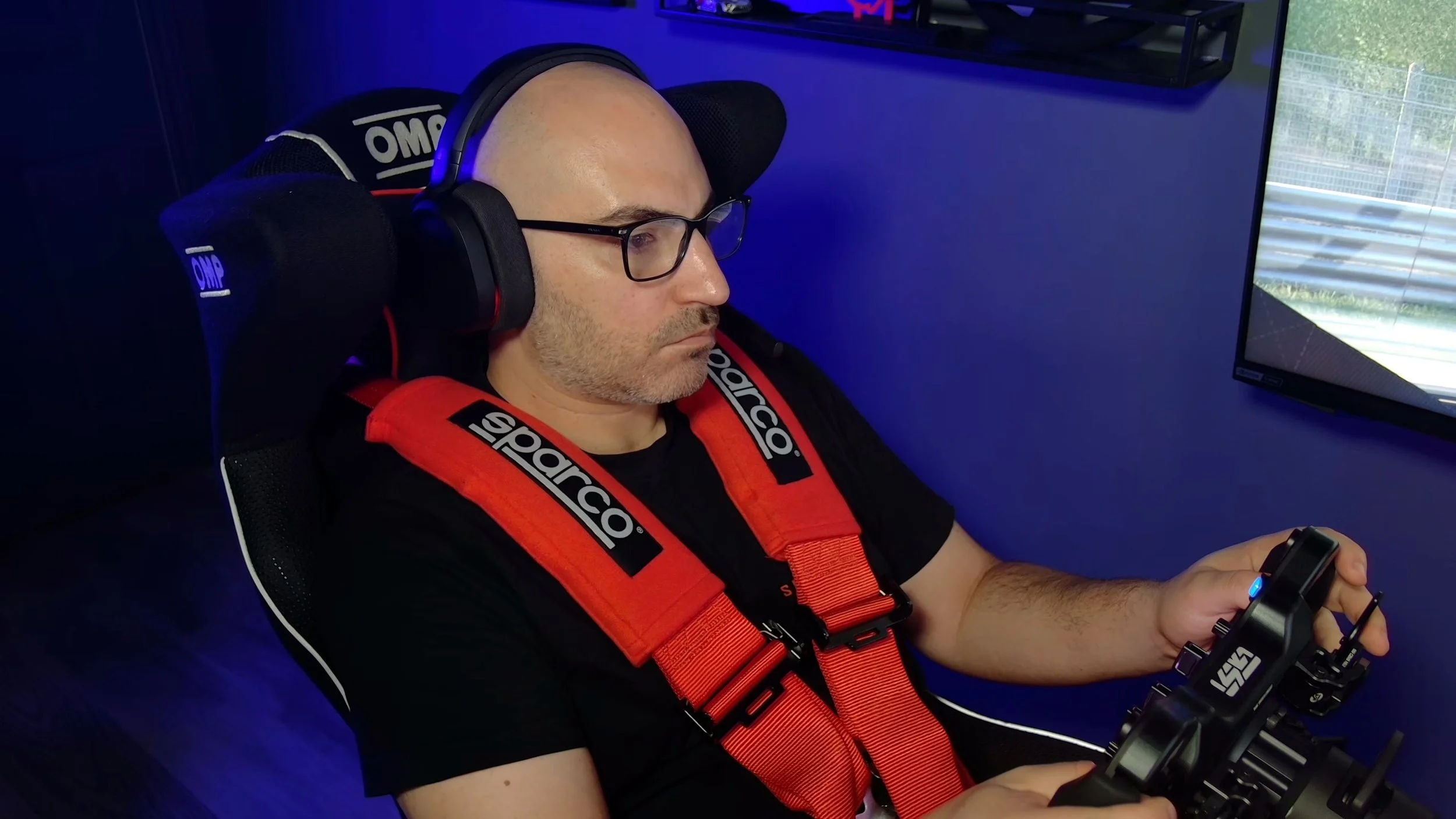
I am not an audio-measurement specialist, so this is a listening impression from my racing and everyday use. I liked the Scape’s clarity and detail, with bass that felt controlled rather than overpowering.
The balance worked well for engine sounds and the other cues I wanted to hear while racing. Music also sounded enjoyable to me. I did not feel the need for a heavy bass boost to make the experience engaging.
If you prefer a much bassier presentation, my preferred balance may not be yours. The EQ gives room to experiment, and specialist audio reviews can add measured comparisons beyond what I covered in this sim-racing-focused test.
The two microphones are not equal
The main detachable microphone impressed me. My voice sounded clear and natural in both USB and wireless use, with enough warmth and detail for the type of chat I use while racing. Background pickup was limited in my test environment.
The built-in backup microphone sounded more compressed and less full. It was useful for casual use with the boom removed, but I would keep the boom attached for regular team communication.
The original video includes samples of both microphones in its audio-quality section. Those samples are a useful companion to the written description if microphone sound is a deciding factor for you.
My final verdict
The Scape became an easy headset for me to recommend considering because of how well its features worked together. The comfort made longer sessions pleasant, the sound suited my preferences and the dock removed a recurring annoyance from the end of each session.
It was not the cheapest option I could have bought, and the inability to mix wireless audio is a meaningful limitation. The backup microphone and flexible boom arm also left room for improvement.
Even with those reservations, I was very happy with the purchase during my original review. For someone looking for a comfortable headset with a simple daily routine and a restrained design, the Scape is worth a close look. Compare the current price and make sure its connection options fit how you actually use your rig.
Find the Scape for your setup.
Check the current price, available options and compatibility before ordering.
Find Scape at AmazonAmazon affiliate link: as an Amazon Associate, I earn from qualifying purchases.
View official Scape product details ↗
The Amazon link may open regional search results. Confirm the Scape model, colour, seller, availability, shipping and total price before ordering.
About this article: Adapted from my original review script and video review. Driving impressions refer to the original review period. The official Scape page and Adjust Pro information were checked on September 8, 2026. Listening and comfort impressions refer to my July 2025 review, not a new test of current firmware.
Back to top ↑